Course Search

Course Search

Course Search

Medical Technology (Add-On) – BSc (Hons)

  • Location: Moylish, Limerick City

  • years: 1


Course Overview

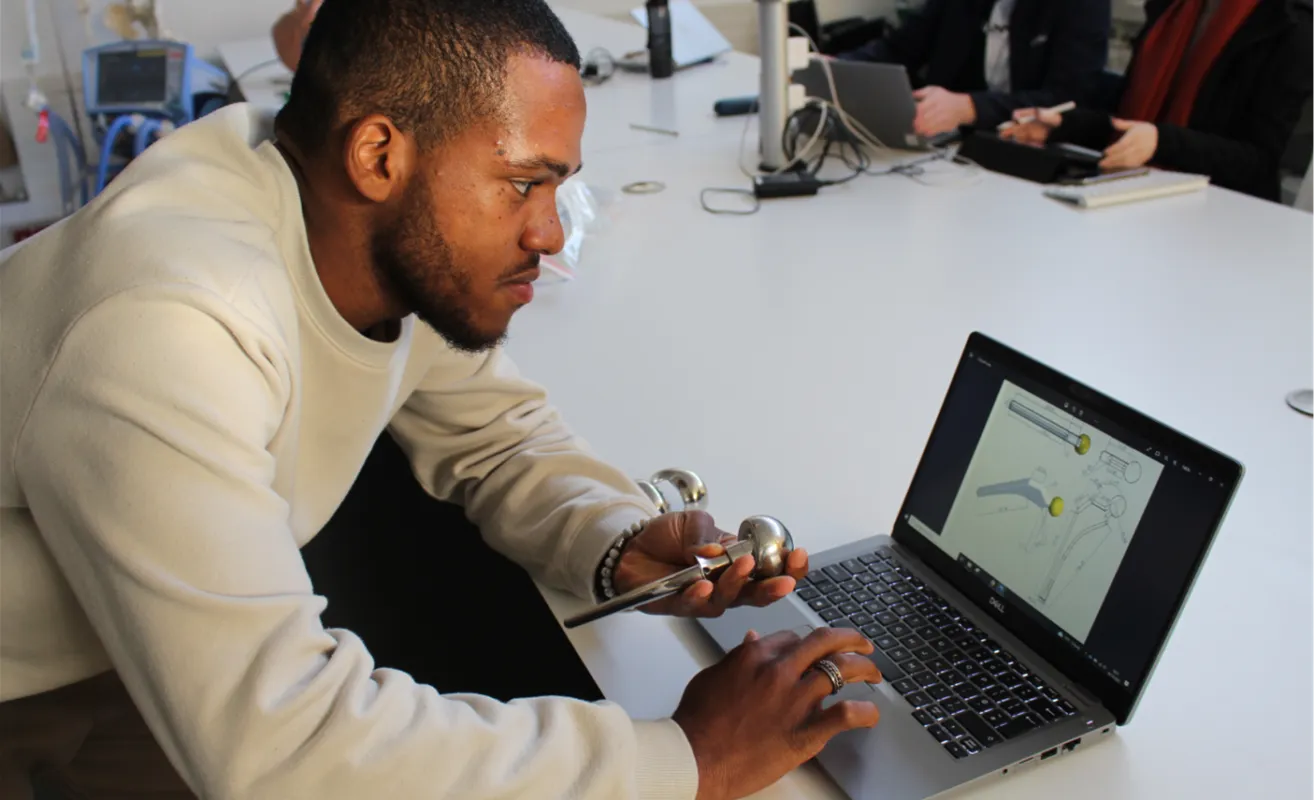
Medical Technology is a combination of Engineering, Science and Technology that offers graduates two distinct career paths; Clinical Engineering in a Hospital Setting OR Medical Device Industry/Medical Software Industry Employment in a variety of roles.

After completion of this course, you can pursue a career in Clinical Engineering departments in public or private Hospitals, maintaining and managing critical medical equipment as part of a healthcare team. You can also gain employment in a technical, quality or design role in the Medical Device Industry or Medical Software Industry.

Postgraduate options include Masters Programmes in the areas of Radiography, Biomedical Engineering, Medical Physics and Physiotherapy amongst others.


Contact Details

Aisling Lynch

Email: Aisling.Lynch@tus.ie

What are the Entry Requirements?

  1. A Pass in a relevant Engineering or Science Bachelor Degree (Level 7) with an overall performance of at least 50%
  2. An equivalent qualification to a Bachelor Degree (Level 7) with appropriate pre-requisite subjects
  3. A pass in a relevant Engineering or Science Degree (Level 7) with one year suitable work experience.

Course Modules

  • Cyber-security in Healthcare

    Credits: 5

    The healthcare industry is increasingly reliant on digital systems for storage of highly sensitive data relating to patients. As such, the security of these systems is of paramount importance. Topics of study include the various challenges of data security such as viruses and ransom-ware, techniques used to meet these challenges e.g. cryptography, firewalls and routine back-ups as well as the ethical and legal aspects specific to medical data.

  • Decontamination in Healthcare

    Credits: 5

    This module introduces students to the best practice within a decontamination sterility department/unit in healthcare settings to ensure effective reprocessing of reusable medical devices, including endoscopes, and provide a knowledge for environmental and water infection control in healthcare facilities.

  • Diagnostic Imaging & Radiotherapy

    Credits: 10

    This module will pick up where the Radiation Safety module finishes with an introduction to the two main branches of Medical Physic; Diagnostic Imaging and Radiotherapy. You will learn about the physical principles behind various imaging techniques and cancer therapies as well as aspects related to the day-to-day management of related equipment such as; CT scanners and Linear Accelerators. Issues relating to regulation and safety are also addressed in this module. Learners will continue to develop their computer skills in medical image processing practical sessions.

  • Final Year Project

    Credits: 15

    This will follow on from the work you start in the Project Design and Management module in Semester 1, with the undertaking of a substantial project related to the field of medical technology. You will put to use your skills of research, data collection, analysis and presentation under the guidance of an assigned supervisor to produce a project dissertation relating to the healthcare industry.

  • Project Design & Management

    Credits: 5

    This module will teach you the core skills needed for effective project management such as; designing project timelines, producing risk assessments, effective research techniques, issues of ethics, and creating your own project aims/ objective. Your communication skills will also be developed through presentations and written reports/ literature reviews related to your own healthcare related project.

  • Radiation Safety

    Credits: 5

    Radiation has many clinical uses from the low energy x-rays used to image inside the body to the high energy x-rays used in the treatment of cancer. This module will introduce the basic physics of how ionising radiation interacts with living cells and the many important safety aspects associated with its use in the hospital environment. Learners will also develop their own basic software for solving simple radiation physics problems during computer lab based practicals with Python code.

  • Rehabilitation and Product Design

    Credits: 10

    This module aims to develop the specialist knowledge and understanding of advanced aspects of medical technology in disability, assistive technologies and rehabilitation engineering. Medical technology product design will be explored through the case project of assistive technology design. The overall aim is to engender an appreciation for the multidisciplinary nature of technology in disability and rehabilitation and the processes applied to product design.

  • Standards and Accreditation

    Credits: 5

    Whether involved in a clinical setting, industry, or commercial enterprise, standards form a significant aspect of professional activities. This module introduces the use of a standards based approach which instils a safer, more efficient, and high quality management of all medical devices. It is important for a professional working with medical technology, in both healthcare or industry settings, to understand fully how product and quality management system standards are developed, why/how they are used, where to find appropriate standards and the role they play in the life cycle of medical devices.

What can you do after this programme?

Our graduates have gained employment in the clinical Engineering department of University Hospital Limerick as well as many Medical Device companies in the Mid-west region including: Beckton Dickinson Research Centre Ireland, Johnson and Johnson, Edwards Life sciences, Boston Scientific, Medtronic, Croom Medical, Teckro, Kneat Solutions and many more.

Successful graduates of this programme are eligible for Level 9 and 10 postgraduate programmes within TUS or elsewhere. Our graduates have been accepted into masters programmes in the areas of Biomedical Engineering, Quality and Regulatory affairs, Radiography, Medical Physics, Physiotherapy and others as well as Graduate programmes in the medical device industry including Abbott and Boston Scientific.

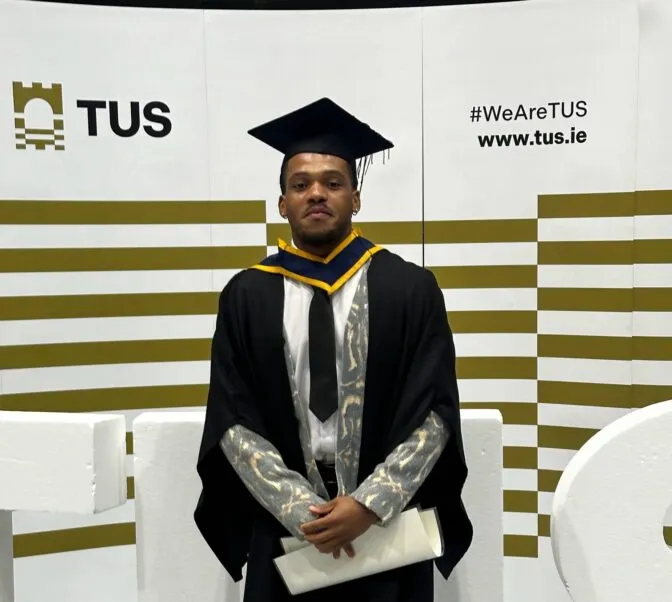
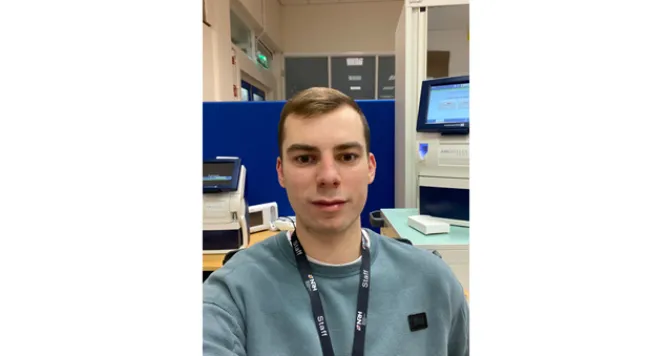
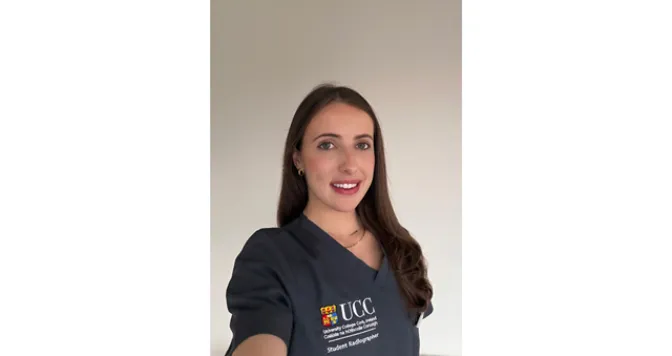
Our Graduates