Entry Requirements
Leaving Certificate
A minimum of 2 H5 & 4 O6/H7 grades in six Leaving Certificate subjects, including Mathematics and English or Irish.

Course Search
Courses
Admissions & Support
Course Search
Our Services
Our Community
Course Search
Governance
Professional Services

CAO Points: 372
Location: Moylish, Limerick City
years: 1
Fact – TUS graduates are the most employable in Ireland.
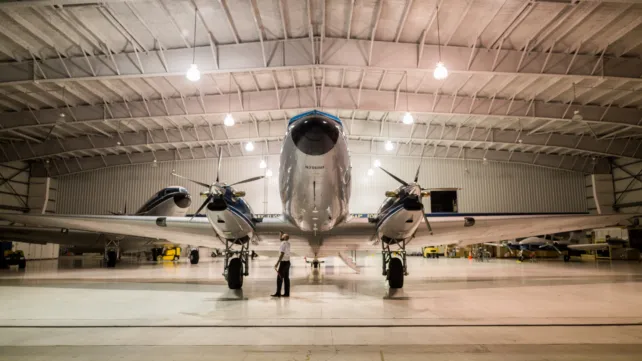
We are Ireland’s top university for graduate employment for 3 years in a row!Our common first year has been developed to give our students sufficient time and experience to come to an informed choice on which engineering course they wish to pursue in the Department of Mechanical & Automobile Engineering at TUS Midwest. This broad experience of some of the major areas in mechanical, automotive, precision, and engineering management will better enable the individual to carry on to the second year, knowing they have an interest and aptitude for a particular field.
This is a common first year for our students, which will mean that the core engineering subjects will be taught to a large group of first years. This gives our students additional means to determine their best fit, as they will be able to talk to other students in different courses with shared syllabi.
During the first year of the course, our students are exposed to a learning environment that allows them to make informed choices about the next stage of their learning. The options available are dependent on the aptitudes, interests and career opportunities in the different fields. First-year students can talk
to lecturers and other students to determine the best approach for them in their career. This gathering of information is very useful for students who know they want to do engineering but are not fully decided on what stream is best suited to them.
PLEASE NOTE : Following Year 1 (Common Entry), students select and rank their preferred engineering streams. Progression into Year 2 programmes is based on academic performance and the availability of places in each stream.
Michael McKeogh
Email: Michael.McKeogh@tus.ie
A minimum of 2 H5 & 4 O6/H7 grades in six Leaving Certificate subjects, including Mathematics and English or Irish.
Engineering Computing
Credits: 5
This module introduces the learner to the Microsoft Office suite of applications, including Word, PowerPoint, and Excel, and demonstrates their use in everyday engineering. Beginning with the assumption that learners have no prior experience with computing, basic computing literacy is established before progressing to more advanced material. The learner will acquire general computing skills and competencies, in addition to a comprehensive understanding of Microsoft Office. The learner will develop the ability to apply the software to useful engineering applications such as formal report writing, generating engineering data, producing equations, data analysis, and data presentation.
Engineering Technology
Credits: 15
The aim of this module is to develop an understanding and a working knowledge of the engineering technology and materials used in industry.
Introduction to Mechanical Engineering Maths
Credits: 10
Develop a recognition of the basics of engineering mathematics and use them to solve practical engineering problems.
Mechanical CAD and Design
Credits: 10
Engineering Drawing is an essential communication technique for those involved in Engineering; the aim of this module is to give the student a comprehensive introduction to the standards used in the preparation of Engineering drawings. Computer Aided Design (CAD) systems are now the typical means by which Engineering drawings are produced, students will use 2D and 3D CAD software to prepare a portfolio of their work.
Mechanical Engineering Science
Credits: 10
To develop an understanding of the basic laws of physics and their application to engineering.
Electrical Sciences
Credits: 5
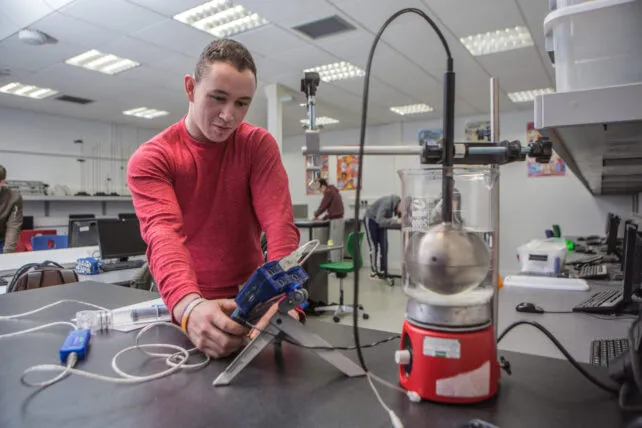
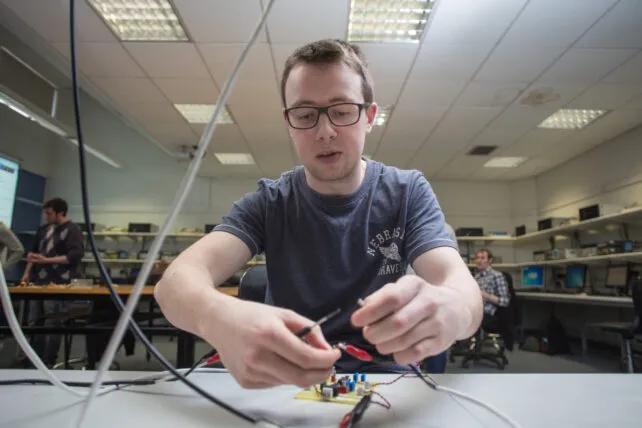
This module will cover the fundamental principles of electrical sciences and instrumentation. Students will learn to design, build, analyse, and troubleshoot basic electrical and instrumentation circuits through both theory and practical applications
Automotive Fundamentals
Credits: 5
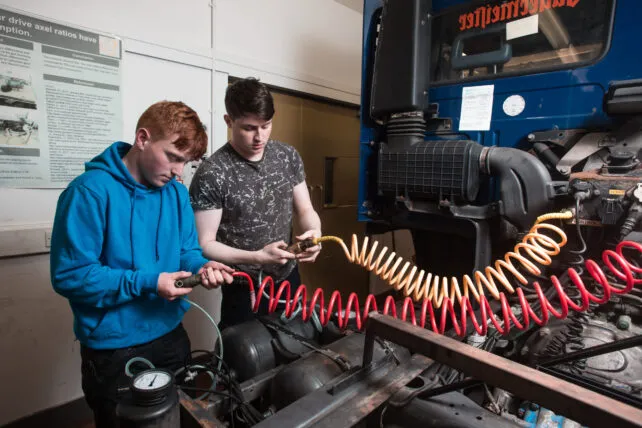
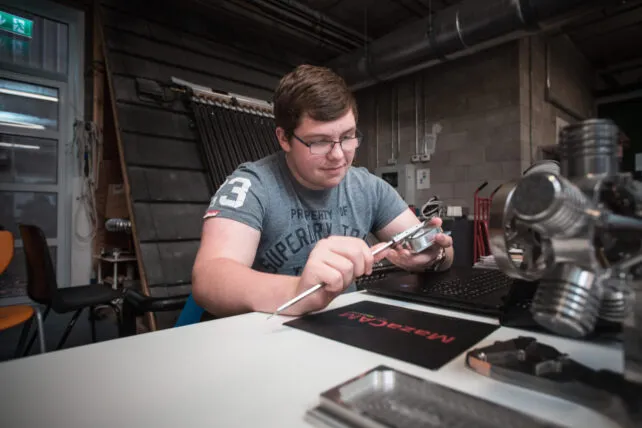
This module introduces students to the key engineering principles behind modern road vehicles. The module examines how mechanical, hydraulic, electrical and electronic systems combine to make vehicles move, steer, stop and operate safely. Learning is supported through workshop-based demonstrations and hands on practicals activities that reinforce understanding of vehicle systems.
At the end of this 1st year programme, the students can progress to the 2nd year of any of the following engineering programmes:
• Automotive Engineering and Transport Management- BEng (Hons)
• Engineering Technology Management- BEng (Hons)
• Mechanical Engineering- BEng (Hons)
• Precision Engineering- BEng (Hons)
• Engineering Technology Management- BEng
• Mechanical Engineering- BEng
Midwest Campuses CAO Newsletter
Click here