



Introduction
The group focuses on analysing how materials and metal alloys behave under different conditions and developing models to predict their performance. It combines hands-on laboratory testing with computer simulations to study, design, and optimise materials for applications in healthcare, energy, and advanced manufacturing.
MatSimLab brings together experts in mechanical engineering, materials science, physics, biomedical engineering, data analysis, and product design. Its core strength lies in combining physical testing using instruments like XRD (X-ray diffraction), XRF (X-ray fluorescence), SEM (Scanning Electron microscope), Ultrasonic phased array flaw detector, Tensile and Impact testers, and 3D printers with digital simulation tools such as Finite Element Analysis (FEA), Computational Fluid Dynamics (CFD), Computer-Aided Design (CAD), Ansys Granta for material selection, and statistical modelling.
By developing better ways to test and predict how materials behave, MatSimLab aims to support innovations in medical devices, clean energy technologies, lightweight materials, and smart manufacturing.
The group focuses on analysing how materials and metal alloys behave under different conditions and developing models to predict their performance. It combines hands-on laboratory testing with computer simulations to study, design, and optimise materials for applications in healthcare, energy, and advanced manufacturing.
Aims and Objectives
MatSimLab aims to build a dynamic, productive research group that:
- Analyse, characterise materials, metals and metal alloys through both lab testing and simulations.
- Creates predictive models that accurately represent how materials perform under various loading conditions such as forces, temperatures environmental conditions etc.
- Combines lab testing and virtual modelling to improve the speed, accuracy, and reliability of research.
- Solves practical problems for industry, such as improving product performance, reducing failure rates, testing time or identifying better materials for specific applications using available in-house simulation software and statistical packages.
- Trains postgraduate and undergraduate students, offering hands-on research experience and technical training with state-of-the-art equipment and tools.
- Collaborates across departments and disciplines to encourage innovation and tackle complex challenges from multiple angles.
- Publishes research in academic journals, contributes to conferences, and shares findings with industry and the wider academic community.
- Protects and licenses innovations, supporting intellectual property generation and potential commercialisation.
Contact Us
If you are interested in learning more about MatSimLab or collaborating with us, please contact Daniela.Butan@tus.ie
Primary Researchers
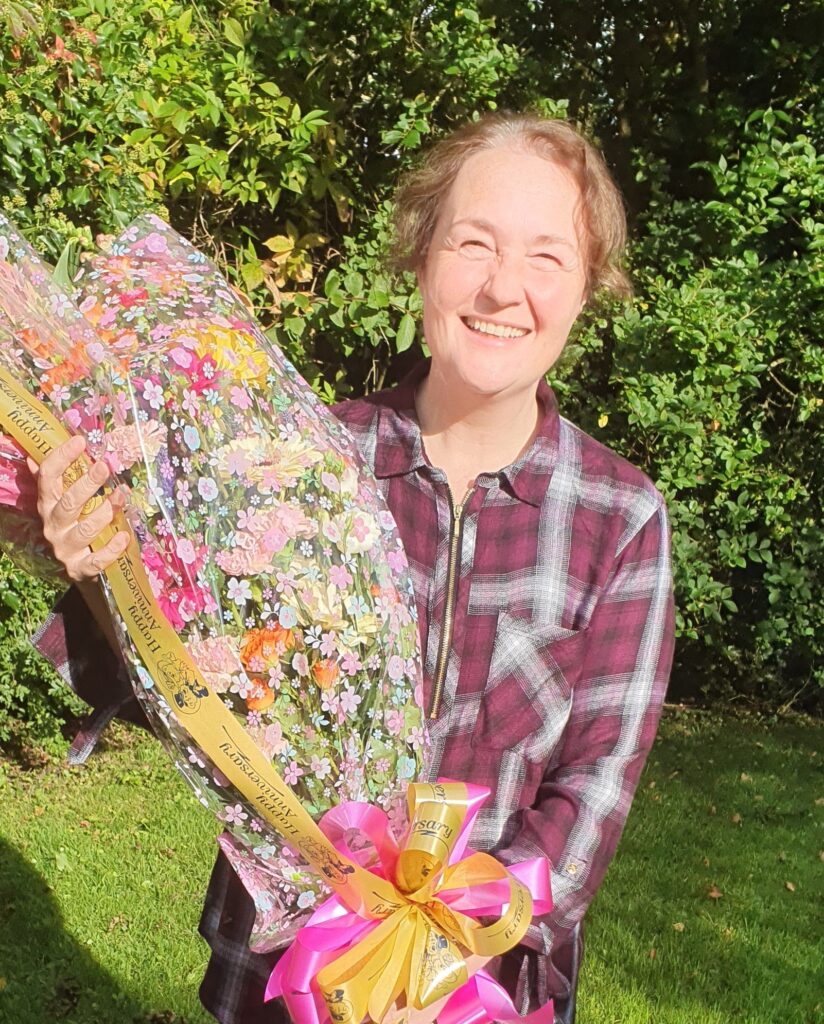
Dr. Daniela Butan
Dr. Daniela Butan is a Mechanical and Process Manufacturing Engineer with an extensive proven record of participation and delivery of successful collaborative research programmes between Academia and Industry, working with companies such as Aerogen Ltd., Boston Scientific, Stryker Orthopaedics, JnJ, Innalabs, Panalok, Kerry Group EMEA etc. Daniela contributed to the design, development and delivery of a range of research programmes whilst also attracting significant internal and external research funding of more than 3.5 million euros. Her research has made recognised and significant contributions to the developing knowledge in the area of Mechanical Processes and Design resulting in a series of Technology transfers, National and International awards, Patents granted both in Europe and internationally.
Dr. Butan specialises in computational modelling using Finite Element Analysis (FEA) and Computational Fluid Dynamics (CFD), applied to medical device engineering, mechanical and structural design. Her expertise further includes statistical optimisation techniques and advanced materials selection and experimental characterisation. Her experience also extends to teaching at undergraduate level and supervision at both, undergraduate and postgraduate level. Daniela designed the structure of a BSc programme and she is the Programme leader of the Master in Mechanical Engineering (MEng) in TUS – Technological University of the Shannon and a Researcher at MatSimLab Research Group in TUS. She is also the Academic mentor for the TUS Motorsports team that participated in the Formula Student in Silverstone in July 2025.
PURE Profile || ORCID Profile || LinkedIn Profile
Current & Past Research Projects
- Optimisation of Mechanical and Fluid Flow Modelling, and Advanced Materials for New Generation Nebuliser Aperture Plates project in collaboration with Aerogen Ltd, Galway, funding: €408,636, Innovation Partnership (Enterprise Ireland).
- Optimisation of Electroforming Process and Development of Novel Predictive Model of Electromechanical Lumped System, Fluid Flow and Droplet Formation for Nebulizer Vibrating Aperture Plates project in collaboration with Aerogen Ltd, Galway, funding: €700,048, Innovation Partnership (Enterprise Ireland).
- Droplet formation through an alternative cost effective material for an active vibrating mesh of a nebulizer (ALTNeb), project in collaboration with Aerogen Ltd. Galway, PhD student funding: €118,000, TU RISE.
- Vapour Hydrogen Peroxide process Optimization and Neural network algorithm implementation for successful Sterilisation of Medical devices (VHP‑OptiMed), project in collaboration with Boston Scientific Clonmel, PhD student funding: €118,000, I&E.
- Design and Manufacturing of a Formula Student Race Car Using Recyclable Materials and In-House Technology Through Collaboration Between Multidisciplinary Academic Staff and Student Teams (SustainF1) funding: €38,000, NTUTORR and SATLE.

Dr. Michela Ottaviani
Michela Ottaviani is a researcher specialising in nanomaterials for energy storage and environmental applications. During her PhD at ENEA (Italian National Agency for New Technologies, Energy and Sustainable Economic Development), she developed advanced nanomaterials for lithium-ion batteries (LiBs), producing eight technical reports that helped shape ENEA’s strategic direction in battery research.
She played a leading role in the European Si-DRIVE project, overseeing a work package on next-generation anode materials, and contributed to its continuation through the follow-up SiGNE initiative. Her work supports the development of safer, higher-performance LiBs for electric mobility and renewable-energy systems.
Michela is currently based at the Technological University of the Shannon (TUS), where she collaborates with industry to design safer storage and charging systems for lithium-ion batteries used in electric scooters—an emerging challenge in residential and commercial buildings.
Her expertise also extends to environmental nanotechnology. She contributed to microplastic detection research in the River Shannon and serves on the advisory board of a Zambia-focused project addressing microplastic pollution across ecosystems. Across her work, Michela integrates advanced materials research with real-world industrial and environmental needs, contributing to cleaner, safer, and more sustainable technologies.
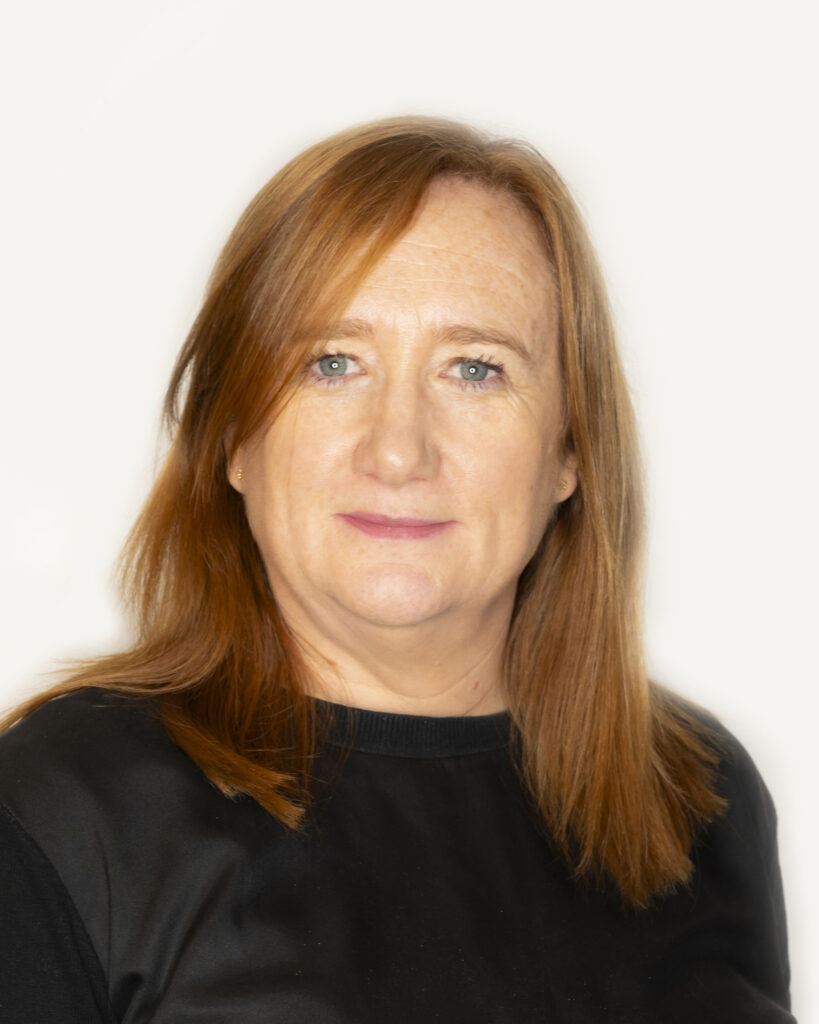
Dr. Siobhan Moane
Dr Siobhan Moane is Chief Operations Officer (COO) and Project Manager of the Regional University Network European University (RUN-EU).
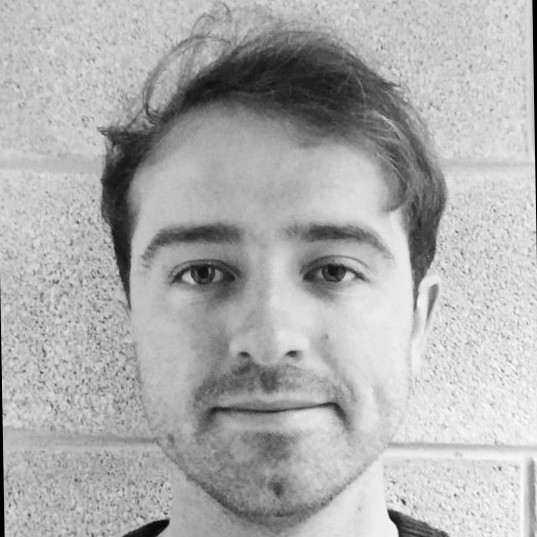
Dr. Sean Cunningham
Dr Sean Cunningham is a lecturer and researcher in Mechanical Engineering at the Technological University of the Shannon (TUS) Midwest. His research expertise spans aerosol drug delivery, computational modelling, and product design control, focusing on bridging device innovation, regulatory compliance, and engineering education. He holds a PhD in Mechanical Engineering from the University of Limerick (2020), where his doctoral research investigated the design and development of aerosol drug delivery devices to enable systemic pulmonary delivery. This work integrated computational and experimental methodologies (CFD, FEA, and EM simulation) within the ASME V&V 40-2018 verification and validation framework. With over a decade of R&D and MedTech collaboration experience, Dr Cunningham has led and contributed to numerous industry–academic innovation partnerships across Ireland’s west and mid-west regions. His technical expertise encompasses new product development (NPD), quality management systems (ISO 13485:2016 and FDA 21 CFR 820.20-40), and product risk management (ISO 14971:2019). He also has advanced knowledge of MDR 2017/745, IVDR 2017/746, IEC 60601, human factors and usability engineering (HFUE), and Design for Six Sigma (DFSS).
Dr Cunningham has made recognised contributions to knowledge, resulting in four technology transfers and four invention disclosures submitted to the Technology Transfer Office at the University of Limerick (October 2025). These outputs demonstrate his commitment to applied innovation, translational research, and the commercialisation of academic research. In parallel with his technical work, Dr Cunningham is deeply engaged in engineering education and curriculum development. He completed a Master of Arts in Teaching, Learning and Scholarship at the University of Limerick, producing a thesis titled “Integrity by Design for Ethical AI Use through a Reflective Assessment Model.” His pedagogical research advances the ethical use of AI, academic integrity, and resilient assessment design, supporting the integration of modern educational frameworks (CDIO).
He currently lectures across undergraduate and postgraduate programmes in mechanical and precision engineering, supervises Master’s and PhD research students in collaboration with industry, and continues to drive interdisciplinary projects uniting engineering innovation, compliance, and education.
Dr. Lisa Henihan
Dr. Lisa Henihan’s research spans industry, economy, society, and education, delivering transformative outcomes across multiple sectors. Her pioneering work in Process Analytical Technology (PAT) and cleaning validation has elevated product quality, regulatory compliance, and operational efficiency in the food, pharmaceutical, and medical device industries.
Through strategic collaborations with global leaders such as Nestlé, Aerogen, Stryker, and Johnson & Johnson, Dr. Henihan has driven innovation in detergent formulation, washer-disinfector performance, and medical device design. Her initiatives in data harmonization and predictive modelling have generated over €4 million in cost savings, supporting sustainable manufacturing and waste reduction.
Dr. Henihan is a champion of inclusive and interdisciplinary research, evident in her mentorship of early-career researchers, outreach efforts like the SMILE School Completion initiative, and her editorial leadership of the Interdisciplinary Engineering Research Review Journal (IERRJ), which amplifies diverse voices in STEM.
Her contributions to public health include advancing safer healthcare practices through improved cleaning protocols and research on acrylamide mitigation and medical device reprocessing. In education, she has enriched student engagement and employability through programme development, dissertation supervision, and blended learning across undergraduate and postgraduate levels.
Looking ahead, Dr. Henihan aims to secure Horizon Europe or Enterprise Ireland funding to:
- Expand predictive cleaning models and validation frameworks.
- Commercialize intellectual property in cleaning algorithms and datasets.
- Strengthen TUS’s leadership in sustainable healthcare, materials science, and digitalization.
- Broaden interdisciplinary collaboration through RUN-EU and industry partnerships.
- Support postgraduate training in machine learning, experimental design, and regulatory science.
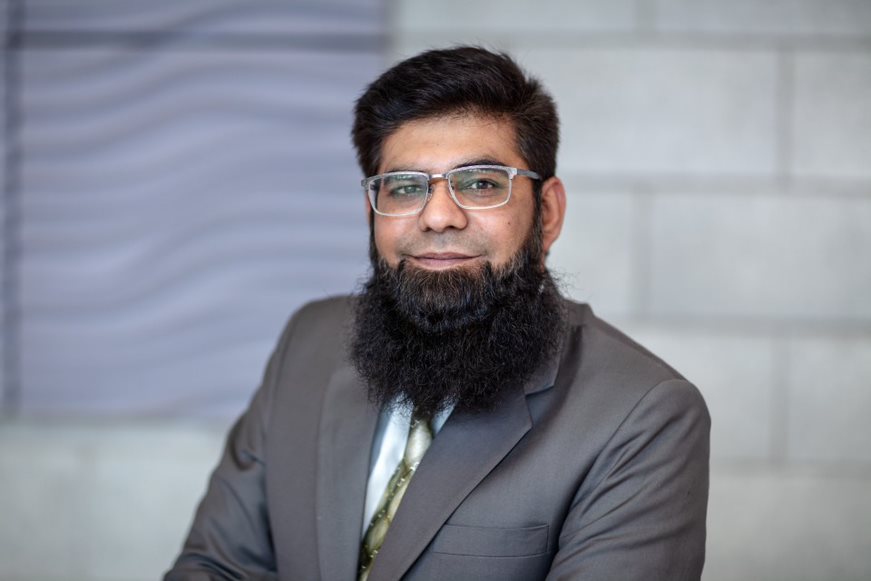
Dr. Javed Iqbal
Dr. Javed Iqbal is a distinguished scientist, analytical chemist and certified lean six sigma green belt professional with more than 25 years of experience across academia, gmp-regulated pharmaceutical, biopharmaceutical, food and r&d sectors. He holds a doctorate degree in pharmaceutical technology specializing in oral drug delivery and polymer synthesis, complemented by advanced degrees in analytical chemistry and life sciences.
Dr. Javed’s expertise spans advanced analytical techniques, formulation development, sterile and oral manufacturing, medical devices, and quality systems, including gmp, glp, validation, and regulatory affairs. His research is centred on polymer synthesis, pharmaceutical innovation, cleaning validation, continuous improvement and strategic management. Javed’s collaborations with national pharmaceutical leaders focus on areas such as fungal neurotoxins, process analytical tools, digitalisation, and validation systems. With just about 50 peer-reviewed international publications, Dr. Javed has made significant contributions to the advancement of pharmaceutical, food and process sciences.
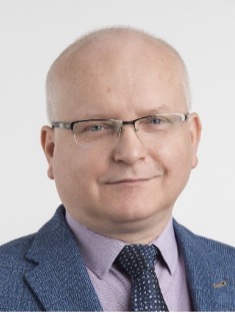
Dr. Miroslaw Mrzyglod
Dr. Miroslaw Mrzyglod was awarded a PhD (2005) and Doctor of Science degree (2014) in Mechanical Engineering from the Cracow University of Technology. His research is in Multiaxial Fatigue, Multidisciplinary Design Optimization, Biomechanics and Artificial Intelligence. He is lecturer in the Department of Mechanical & Automobile Engineering of TUS University. Prior to joining academia Miroslaw Mrzyglod worked for five years as a Manufacturing Engineer and three years as a CAD Design Engineer. He is Member of the Optimization Section of the Committee on Mechanics of the Polish Academy of Sciences, Polish Society of Theoretical and Applied Mechanics, International Society for Structural and Multidisciplinary Optimization (ISSMO), and American Institute of Aeronautics and Astronautics (AIAA).
PhD Supervision
- Project Title: “Metamodeling of composite leaflet valve for medical applications.
- University and Year: Opole University of Technology (2020-2025).
- Student: Laura Palys-Zyta
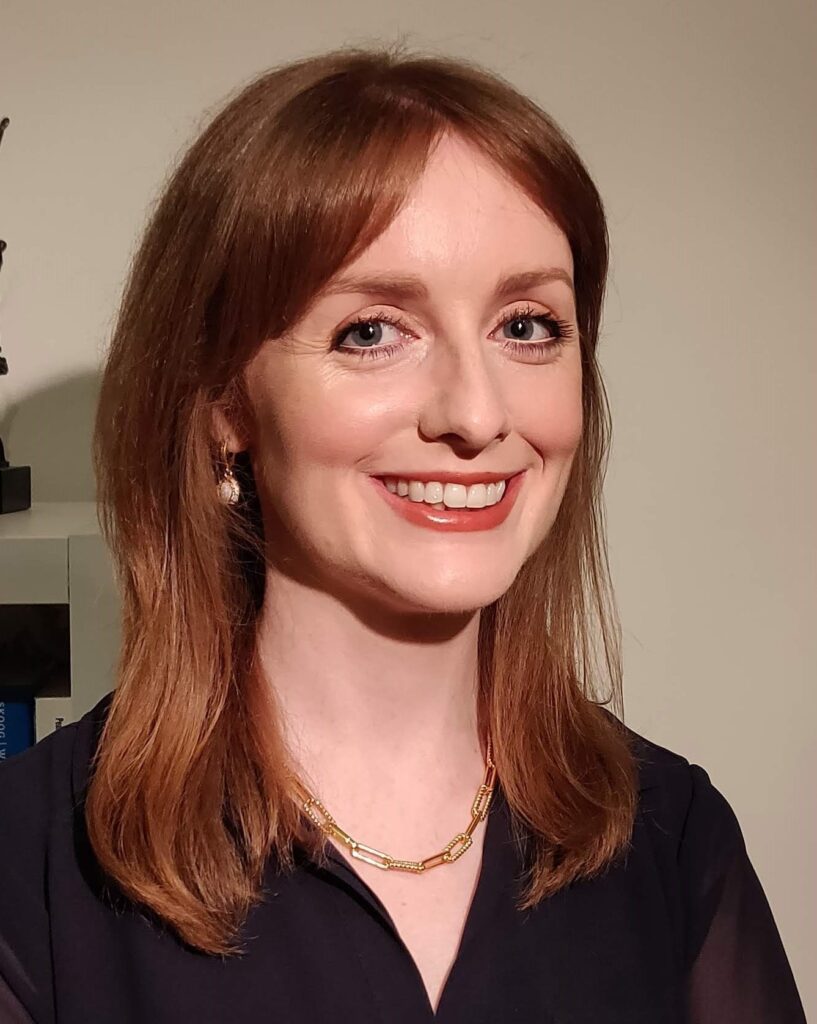
Dr. Niamh Fahy
Dr Niamh Fahy is a lecturer and researcher at the Department of Applied Science at the Technological University of the Shannon (TUS) Midwest. Niamh obtained her PhD in Regenerative Medicine from the University of Galway in 2015. Her PhD thesis was focused on the modulation of inflammatory processes associated with osteoarthritis (OA), utilising human mesenchymal stem cells (MSCs) as a vehicle to deliver interleukin-10 as a potential therapy for OA. Throughout this time, she developed an interest in the use of MSCs as a cell source in regenerative tissue engineering approaches for the treatment of cartilage defects. In 2015 Niamh moved to Switzerland to begin her first post-doctoral research position at the AO Research Institute, where she had the opportunity to investigate the impact of the biomechanical as well as biological environment on the cartilage forming capacity and secretory profile of MSCs.
From 2017 to 2021, Niamh worked as a postdoc with the Dept. of Orthopaedics and Sports Medicine and the Dept. of Oral and Maxillofacial Surgery at Erasmus MC, where her research was focused on unravelling the influence of the immune system on the development of OA, as well as bone tissue engineering strategies utilising MSCs. In 2021, Niamh joined the Dept. of Applied Science at the Technological University of the Shannon (TUS) Midwest in Limerick, Ireland as a lecturer in Biological Sciences. Niamh’s current research interests include the investigation of plasma technologies to modulate inflammation and destructive cellular processes associated with OA.

Dr. Patricia Vazquez
Experienced biomedical researcher with 13+ years in multidisciplinary innovation spanning microfabrication, biosensing, and medical devices for cardiovascular applications. I specialise in the study of RF signals through the human body and non-invasive techniques to inspect and treat the body, organ-on-a-chip platforms, and how to provide personalised and precise healthcare.
My ongoing and future research focuses on neuro-cardiovascular diseases and incorporating sex- and gender-related physiological differences to improve device design and therapeutic efficacy. In addition, I would like to expand my experience in advanced soft sensors and interfaces for implantable medical devices and how to provide personalised treatment to patients.
Dr. Luan Trinh
Dr Luan Trinh is a Lecturer in Structural Engineering at the Technological University of the Shannon (TUS), Moylish Campus, Ireland. His teaching and research focus on structural mechanics, composite materials, and offshore renewable energy systems, with a particular emphasis on floating wind turbines integrated with hydrogen storage. Prior to TUS, he worked as a Postdoctoral Researcher at the University of Limerick (UL), where he contributed to projects on numerical simulation and analysis of advanced composite structures.
Dr Trinh has extensive experience in computational modelling, finite element analysis, and machine learning-enhanced surrogate modelling for structural systems. He has published widely in some international journals and conferences, with research spanning composite beams, plates, and shells, as well as multiscale analysis.
He currently leads and contributes to several funded projects, including Blades2Life (TUS President’s Doctoral Scheme, 2023-2027) and HyFloatComp (SEAI RD&D, 2023-2027), in collaboration with partners from the University of Limerick, University College Cork, OWC, and Newcastle University (UK).
Research Projects
-
- HyFloatComp (SEAI funding – 23/RDD/937). Total funding €550,805 including €163,400 to TUS. Collaborators: University of Limerick (Lead), University College Cork (co-Lead), Newcastle University (Collaborator), OWC ltd. An ABL Group Company.
- Blades2life: TUS PDS funding 2023. Total funding approx. €66,000 (2024–2028). Collaborator: TUS Athlone, University College Cork.
-
Ongoing projects:
- PhD project: Multi-scale modelling and design optimisation of composite hydrogen storage tanks for floating offshore applications.
- PhD project: Dynamic energy harvesting from reclaimed wind turbine blade structures.
- MSc project: Investigation of hydrogen pressure tank under temperature and pressure variations.
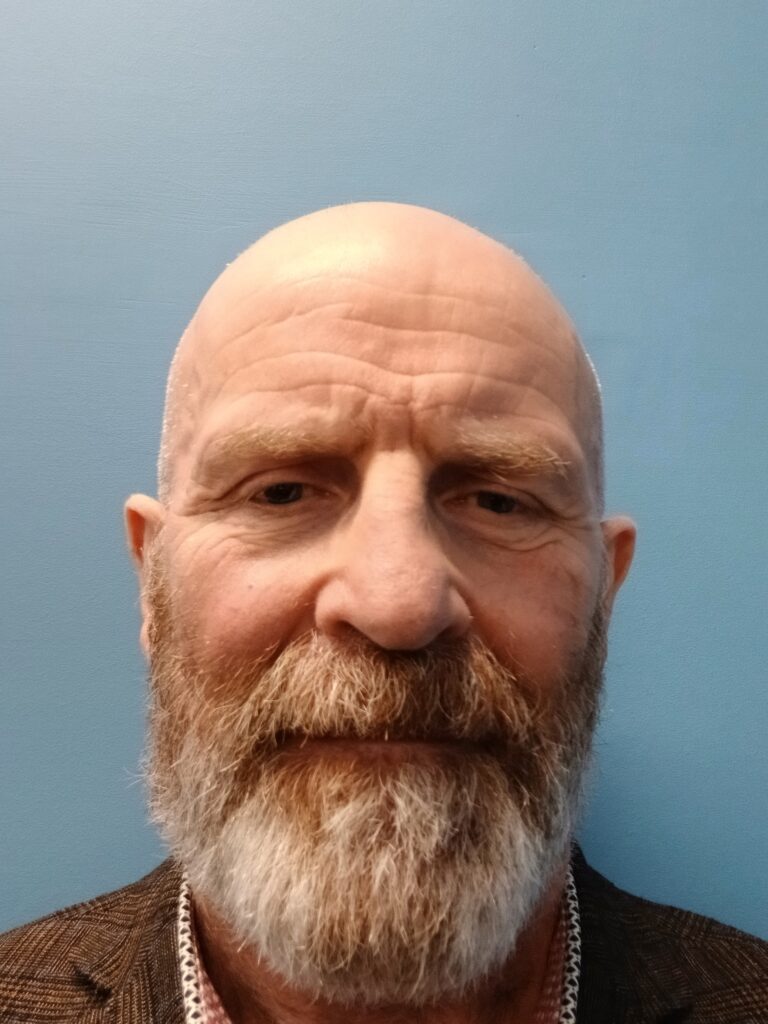
Dr. Patrick Walsh
Dr Patrick Walsh is a senior lecturer with the Dept. of Mechanical & Automobile Engineering.
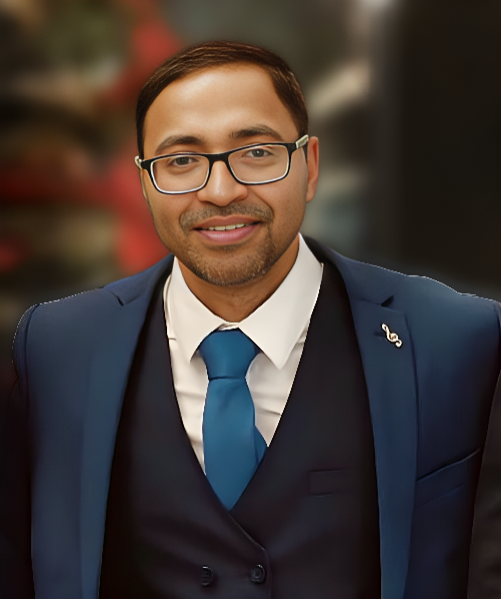
Dr. Amit Haldar
Dr. Amit Haldar is a Lecturer in Mechanical Engineering at the Technical University of Shannon (TUS) and the Lead Investigator of the Hydrogen Energy Innovation (HEI) research group. He serves as both the primary mentor and administrative lead for HEI at TUS, while also supervising multiple PhD and Master’s students. His research focuses on lightweight and innovative materials, including energy-absorbing polymer composites and Hydrogen alloys. He has publications in leading journals such as Composites Part B, Composite Structures, Polymer Testing, Journal of Sandwich Structures and Materials, and Materials Today Communications. His expertise in materials science and composites strongly supports research in solid-state hydrogen storage, encompassing both physisorption- and chemisorption-based materials.

Nevena Cirkovic
Nevena Cirkovic is a PhD Researcher specializing in advanced nebulization technology partnering with Aerogen. Her PhD work focuses on developing alternative design solutions for the active vibrating mesh in nebulizers with the goal of improving device efficiency, material sustainability and patient accessibility. A significant component of her research involves computational fluid dynamics which includes modelling fluid structure interactions within vibrating mesh systems, predicting droplet flow and size distribution and optimization of geometric and material parameters to enhance aerosol performance.
Nevena holds a MSc in Product Design Control and a B.Eng in Mechanical Engineering. Prior to commencing her research, Nevena gained two years’ experience in the automation industry as a project manager which involved leading multidisciplinary team projects to deliver complex automation solutions to companies in the medical device industry.
Partners & Collaborators