




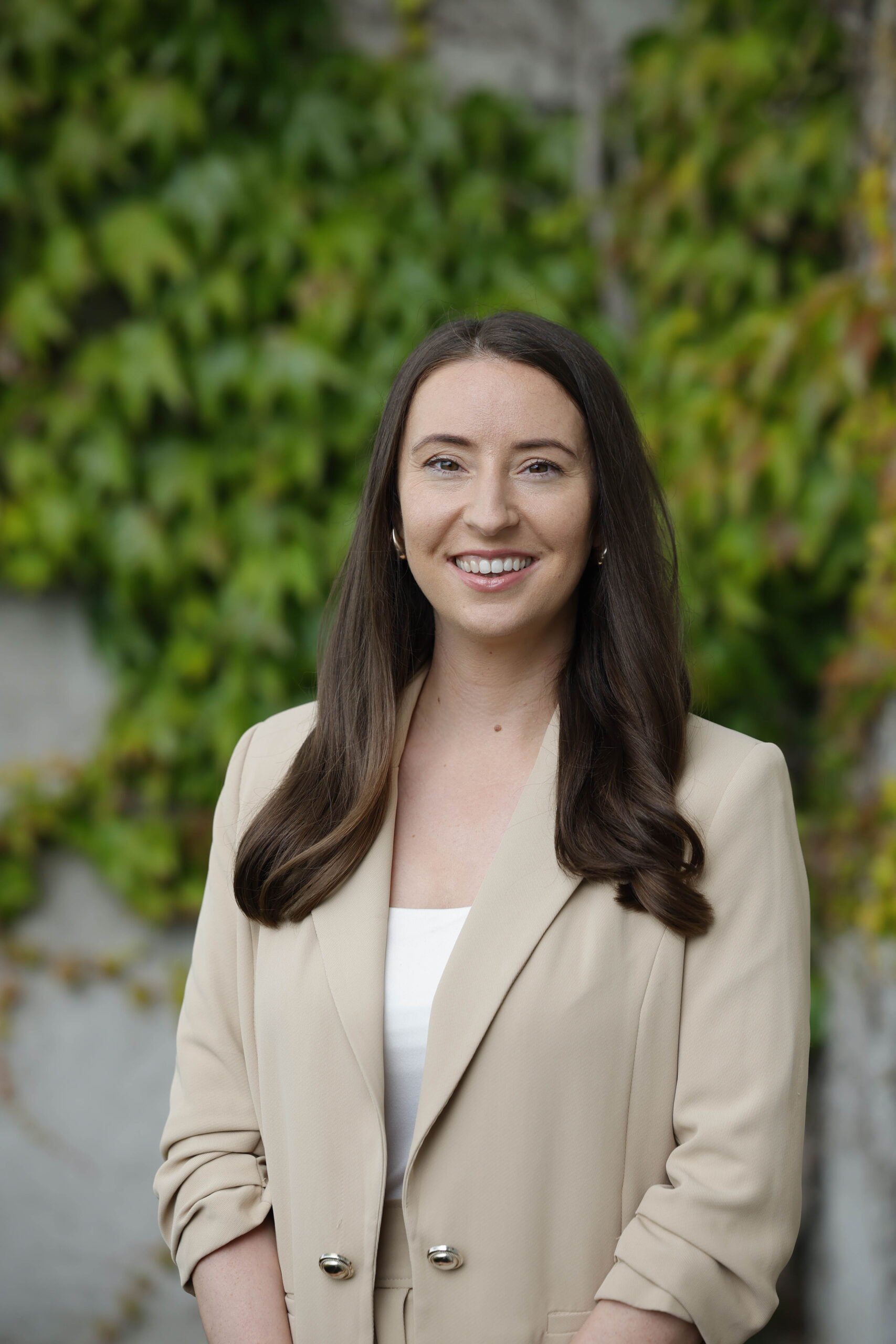
Name: Gillian Bane
Course: MA in Strategic Health and Wellbeing Leadership
Why did you choose to study at TUS?
I chose to study at TUS to complete the MA in Strategic Health and Wellbeing Leadership, as it was the only university in Ireland offering a master’s-level qualification in this specialised area. The programme stood out for its innovative approach, combining leadership, strategy, workplace wellbeing and project management in a way that was both practical and directly applicable to the workplace.
What mode of study did you choose and why?
I completed a full-time taught master’s programme as I was looking to change career direction and felt a master’s degree would give me an advantage in the job market. The structure worked very well, with lectures condensed into two in-person days per week, allowing time to focus on assignments. I was also particularly drawn to the thesis element, as conducting my own research allowed me to develop in-depth expertise in a specific area, which I continue to apply in my day-to-day work.
What are the most difficult and most enjoyable aspects of your programme?
Returning to education after ten years was initially challenging, but the programme being assignment-based rather than exam-focused helped to reduce pressure and allowed me to work at my own pace. I really enjoyed the interactive nature of the lectures and the opportunity to learn from both lecturers and fellow students. The lecturers were very hands-on and approachable, which made it easy to engage and ask questions.
How has this mode of study helped you in your academic career?
The programme has had a big impact on my professional development. I have since delivered guest lectures at a university on topics explored during my assignments and research, and the course also opened the door to the possibility of pursuing a PhD in the future. While I have chosen to work in industry rather than academia for now, I continue to draw on the programme’s research and practical skills, applying both in my current role.
What advice would you give to prospective researchers/postgraduate students?
Choose topics for your thesis and assignments that genuinely interest you — it makes the experience far more enjoyable and rewarding. I would also encourage students to lean on their classmates for support. A master’s programme is demanding, but the sense of shared experience is invaluable. I am still in touch with many people from my course, and we continue to support and learn from each other today.