

Over half of young female athletes report experiencing pelvic floor dysfunction, according to new research from TUS
A report on the experiences of young female athletes from the SHE Research Centre at Technological University of the Shannon (TUS) has highlighted the need to better support girls in sport. Among the findings, 53 per cent of high-level and elite female athletes ranging from 15-to 20-years-old reported experiencing symptoms of pelvic floor dysfunction.
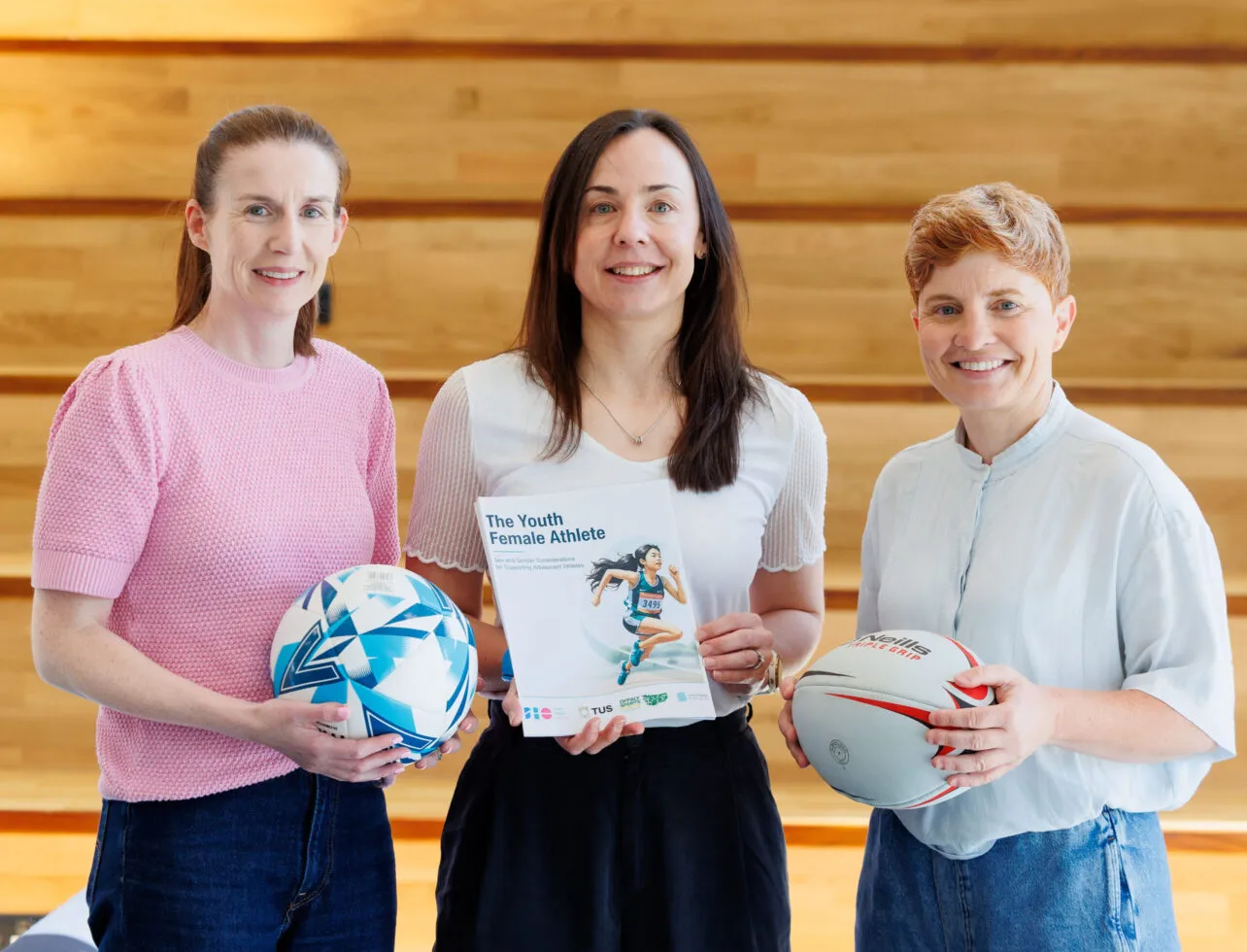
This is just one of the key findings revealed in the report:The Youth Female Athlete: Sex and Gender Considerations for Supporting Adolescent Female Athletes, whichis authored by TUS PhD researcher Angela Kenneally, the Republic of Ireland’s Women’s Football squad’s lead physiotherapist, since 2017.
The report focuses on key themes including menstrual cycle, pelvic floor and breast health, strength training, and factors that influence young female athletes’ participation and wellbeing in sport activity.
Almost 300 young women and girls between 15 and 20 years, across 19 sports participated in the research resulting in many trends emerging from the reviewed areas.
The Irish Context
In Ireland, one in five girls quit sports between primary and post-primary school—four times the rate of boys, while only 11 per cent of adolescent girls currently meet daily physical activity guidelines. This stark decline may be tied to the transition of puberty. As young female athletes navigate hormonal fluctuations, the onset of menstruation, and growing body image concerns, these physical and psychological changes create significant barriers that can impact their confidence, comfort, and motivation to stay in the game.
Speaking about the results of study, TUS PhD researcher and author of the report, Angela Kenneally said: “The benefit of sports participation both mentally and physically is well known and documented. Keeping young girls in sport, as they navigate puberty is important for lifelong health and wellbeing. Those who work with youth athletes have a responsibility to ensure that we support females across all parts of the lifecycle. What happens during adolescence sets a girl up for life. We need to apply a female health lens to our support.”
Pelvic Health in Young Athletes
While sport participation provides important physical, psychological and social benefits for young women, the report uncovers how symptoms such as urinary urgency and leaking, while engaging in activities, seem to arise from a combination of complex factors.
These include, under-fueling, a lack of targeted strength training, and a widespread gap in education and support for young female athletes.
Despite pelvic health being important for athletic performance and overall wellbeing, findings also reveal that almost half of the young athletes surveyed have never heard of the “pelvic floor”.
A Lift in Strength Training
A trend highlighted in the study centres on a high rate of participation in strength training from a young age amongst girls.
87 per cent reported engaging in strength training from 13 years old. Most participants have been training through consistent programs, utilising both bodyweight and free weight exercises.
59 per cent have their programs professionally designed by specialised Strength and Conditioning coaches, while 43 per cent complete two strength sessions per week, with an overall average of nearly two and a half sessions weekly.
Commenting on the findings of the report, Dr Niamh Ní Chéilleachair, Senior Lecturer and SHE Performance Lead at TUS, said: “The findings highlight that while we have made progress, there is more to do to ensure young female athletes are fully supported within their sporting environments. Many girls are navigating female-specific health with limited education and support, despite it being a normal part of adolescence. By improving awareness, access to appropriate supports and creating environments where girls feel comfortable having these conversations, we can help more girls remain involved in sport and have positive sporting experiences.”