Courses
Admissions & Support

Course Search
Courses
Admissions & Support
Course Search
Our Services
Our Community
Course Search
Governance
Professional Services

Location: Athlone / Online
years: 1
Fees: €1,200
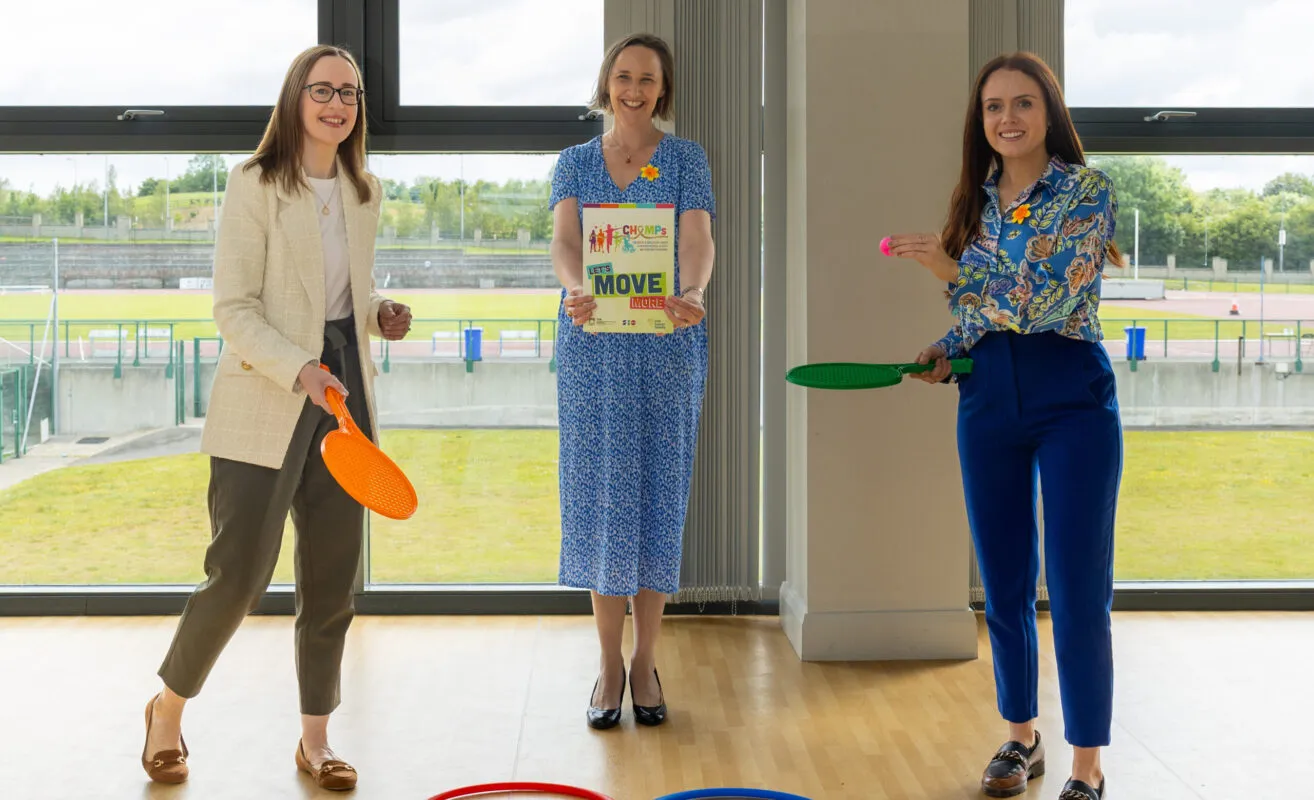
The aim of the programme is to provide for the skilling and upskilling of exercise and physical activity professionals so that they are safe and competent to work more effectively with people with low to moderate risk long-term conditions.
The Certificate in Long-Term Conditions Exercise Instruction is a Level 7 part-time programme designed for exercise professionals who want to develop the knowledge, skills and confidence to work safely and effectively with adults living with long-term conditions.
The programme focuses on four key areas: understanding long-term conditions, exercise safety and professional practice, exercise assessment and programme design, and supporting physical activity behaviour change. Learners will develop practical skills in exercise instruction, adapting exercise for different functional abilities, monitoring exercise safely, and supporting long-term participation in physical activity through person-centred communication approaches.
The course is designed for exercise professionals, personal trainers, sport and exercise science graduates and other health and physical activity professionals seeking to work in community, health or exercise settings supporting adults living with stable long-term conditions.
Delivered using a flexible blended learning approach, the programme combines online guided learning with practical in-person workshops and applied learning activities.
Dr. Mairéad Cantwell
Email: mairead.cantwell@tus.ie
Dr. Fiona Skelly
Email: fiona.skelly@tus.ie
Dr. Clare McDermott
Email: clare.mcdermott@tus.ie
Applicants should normally hold a minimum NFQ Level 6 qualification (minimum 30 ECTS) in a related area such as personal training, sport and exercise science, physical activity and health, physiotherapy, athletic therapy or a related discipline. Applications from individuals with relevant professional experience and prior learning will also be considered. Some placement settings associated with the programme may require Garda Vetting.
International applicants should apply directly to the International Office at TUS, allowing plenty of time for completing the visa process. Applications for September start should be made by 1st June at the latest to ensure visas are processed in time. You should familiarise yourself with visa processing times for your country of origin to ensure you make a timely application. Find out more here.
Applicants will be asked to provide evidence to support their eligibility for the programme.
Understanding and Supporting Physical Activity for Long-Term Conditions
Credits: 10
This module develops learners’ understanding of common long-term conditions and the role of physical activity and exercise in their prevention and management. Learners will explore the impact of chronic conditions on health, functional capacity and quality of life, while developing knowledge of physical activity guidelines, behaviour change, exercise consultation and person-centred communication strategies. The module also examines the social, psychological and behavioural factors that influence participation in physical activity for people living with long-term conditions.
Safe and Effective Exercise for Long-Term Conditions
Credits: 10
This module focuses on the safe planning, delivery and adaptation of exercise for adults living with stable long-term conditions. Learners will develop practical skills in pre-exercise screening, functional assessment, exercise prescription, monitoring exercise intensity and adapting programmes to meet individual needs and abilities. The module also addresses professional practice, exercise safety, recognising signs and symptoms of concern, and delivering safe and effective exercise in community-based settings.
Graduates of this programme will be equipped to work with adults living with stable long-term conditions in a range of community, health, exercise and physical activity settings.
Employment opportunities may include roles within community exercise programmes, Local Sports Partnerships, leisure and fitness facilities, clinical exercise service providers, patient advocacy organisations and physical activity initiatives supporting people living with chronic conditions.
The programme is aligned with growing national developments in physical activity and healthcare, including increasing demand for appropriately qualified exercise professionals to support community-based physical activity opportunities for people with long-term conditions.