




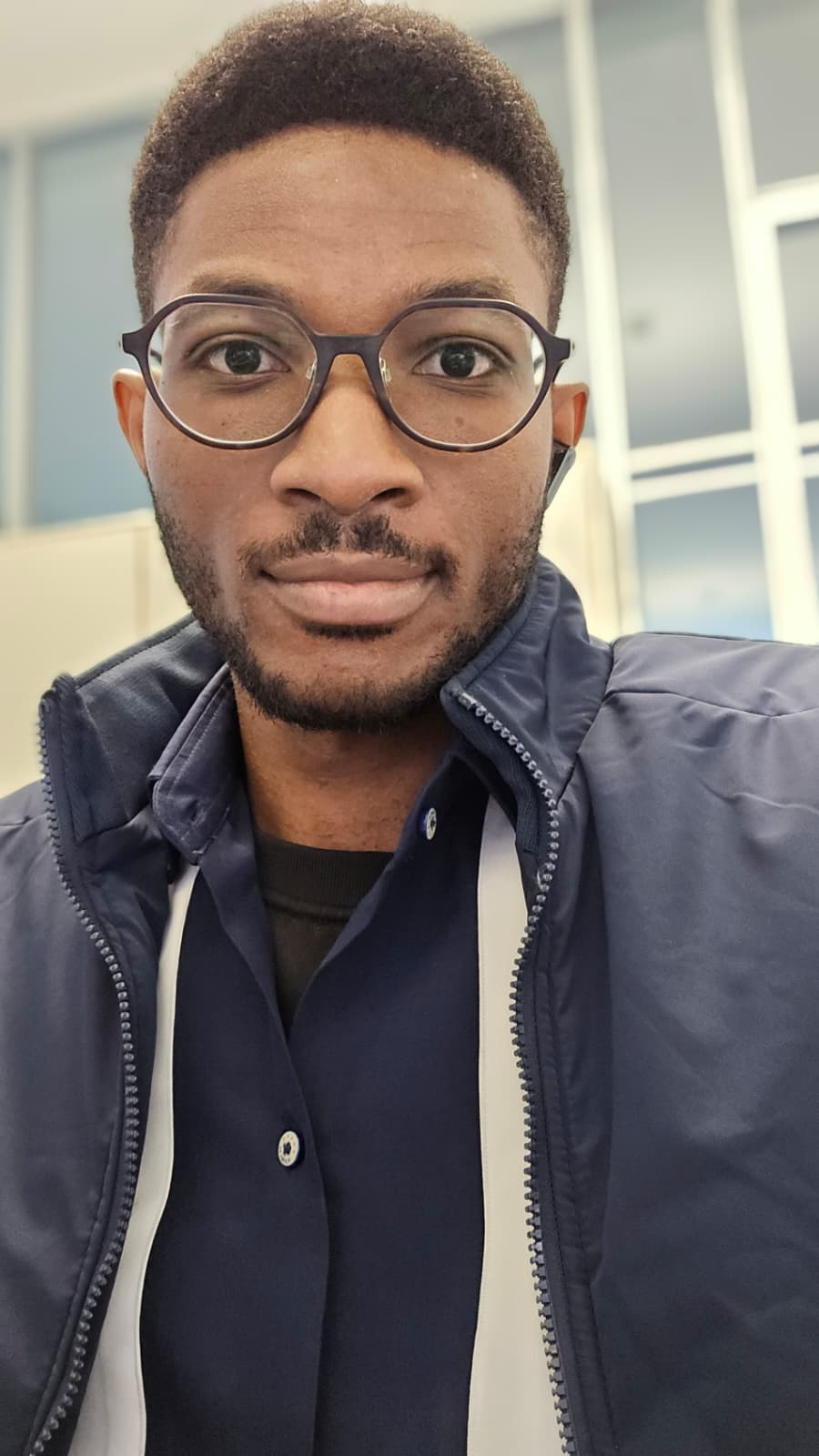
Name: Anthony Oyovwikefe
Course: MSc in Data Analytics
Why did you choose to study at TUS?
Thinking back, the first decision I had to make was between a technological university and a traditional university. Having completed my undergraduate degree at a very theory-based university, and now being more work-focused and eager to transition into the workforce, I knew that a technological university was the right path forward for me.
As for why I chose TUS specifically, it was a combination of both emotional and rational reasons. Emotionally, it meant being in the same county as my sister, whom I had not seen regularly for a number of years. Rationally, through fairly detailed research, I found TUS to be strong in inclusivity and relationship-building. Class sizes are deliberately kept to a level that encourages meaningful interaction between lecturers and students, prioritising emotional intelligence just as much as academic intelligence.
I was also drawn to TUS because of its strong connections with organisations and companies across Ireland. This gives real visibility to industry and ensures that the effort put into studies can translate into real career opportunities.
What mode of study did you choose and why?
I chose the taught master’s programme because I was transitioning into data analytics from an engineering background and was still at an early stage in my career. I knew I was still learning and developing professionally, and I wanted a programme that combined structured teaching with practical coursework and assignments.
At that point, choosing a research-based master’s would not have made sense for me. I wanted hands-on learning where concepts were taught in class and immediately applied in practice. For my stage of career development, the taught master’s felt like the best value for money and the best fit for my learning needs. It allowed me to build both technical knowledge and practical experience at the same time.
What were the most difficult and most enjoyable aspects of your programme?
Interestingly, the most difficult aspects of the programme were also the most enjoyable. The biggest challenge was taking on new experiences, particularly working in groups with people from different nationalities.
This required more than just understanding different ideas. You had to understand accents, different ways of thinking, how people interpret information, and how cultural backgrounds influence perspectives before you could truly work effectively as a team. It was challenging because it was something I had never experienced before, but it was also enjoyable for that same reason.
I learned a great deal from collaboration and from seeing problems through other people’s perspectives. It helped me develop stronger communication and people skills, and I gained a real appreciation for working together as a unit and achieving productive outcomes.
Another challenging but rewarding aspect was delivering group projects and assignments. This involved setting deadlines as a team, producing detailed written reports, and presenting findings using structured slides, graphs, and key points. While this was something I was not initially used to, I found it very enjoyable. It exposed me to different styles of communication, report writing, presentation building, and working under pressure to deliver meaningful results within a team timeframe.
How has this mode of study helped you in your academic career?
When TUS describes its learning approach as project-based, they truly mean it. One of the things I am most grateful for is this emphasis on project-based learning. Instead of relying heavily on traditional exams, which can often become a memorisation exercise, the programme focused on continuous assessment and real project delivery. This was a major game-changer for me.
After completing my studies, I am now working in my chosen career in data analytics, and I can clearly see how well those academic projects prepared me for real-world work. Many of the projects I work on now feel like an extension of my academic experience, just in a more realistic setting with higher stakes. In some cases, I would even say the academic projects were more structured and demanding.
The programme helped me develop a strong project-focused mindset. I now approach work by thinking in terms of goals, objectives, timelines, and expected outputs. I apply the same discipline, consistency, and drive that I developed during my studies. Because of this, working under pressure feels familiar rather than overwhelming. It genuinely feels like a continuation of the same learning process, except now in a professional environment.
What advice would you give to prospective researchers or postgraduate students?
My advice to postgraduate students is always the same: be very intentional about your studies. Take your postgraduate programme seriously and treat it as real work. See it as a real-life work opportunity where you are building skills, receiving feedback, collaborating with others, and developing professionally.
One of the most valuable things you can do is to adopt the mindset that postgraduate study is not very different from work in industry. When you shift your thinking and see your projects and assignments as work, everything changes. It affects how you think, how you plan, and how you engage with your learning. It becomes “work before work,” and that is a real game changer.
Communication is another key area of development. Interacting with lecturers, classmates, and project partners is an opportunity to build professional communication and collaboration skills. Treat these interactions as you would interactions with future colleagues.
In a nutshell I would tell them postgraduate study is a prototype work environment. The sooner you recognise this and fully engage with it, the more value you will gain and the better prepared you will be for your career.