



For many medium- and smallholder farmers in Offaly, off-farm employment has played a crucial role in sustaining household income. Bord na Móna provided seasonal and full-time jobs for decades. When industrial peat harvesting ended suddenly, it removed a key source of income and placed extra pressure on already fragile farm enterprises.
The aim of this pillar of the project was to work closely with local farmers to identify their needs and develop practical solutions that improve the viability and resilience of their farms in a changing climate and economy.
Research:
Survey data collected from farmers in County Offaly (n = 67) provided insights into how the energy transition has affected different groups within the farming community. Analysis revealed a negative correlation between age and educational attainment, indicating that older farmers generally reported lower levels of formal education. This suggests that many older farmers may have had fewer transferable skills available to them as the regional economy reorganised following the end of industrial peat harvesting. However, further analysis showed that younger farmers reported experiencing a greater negative impact from the transition compared to older farmers. One possible explanation is that younger farmers were more likely to rely on off-farm employment opportunities associated with the peat industry, and therefore experienced a more immediate loss of income and employment options when these jobs disappeared. These findings highlight how the impacts of the transition have been uneven across generations within the farming community.
Further findings from the survey highlight the close relationship between the local farming community and the former peat industry. Approximately two in five small- and medium-scale farmers reported that someone in their household had previously been employed by Bord na Móna. Statistical analysis indicated that this characteristic was a significant predictor of whether a household reported being negatively impacted by the energy transition, underscoring the extent to which off-farm peat sector employment historically supported farm viability. The research also revealed relatively low awareness of the concept of a “Just Transition” within the sample population. Around 60% of respondents reported that they had never heard the term prior to the survey. Among those who were familiar with the concept, perceptions were generally more negative, with respondents expressing scepticism about its effectiveness in addressing the challenges faced by farming households following the transition. These findings highlight both the socioeconomic legacy of peat sector employment in the region and the importance of improving communication and engagement around transition-related policies and supports.
Supports:
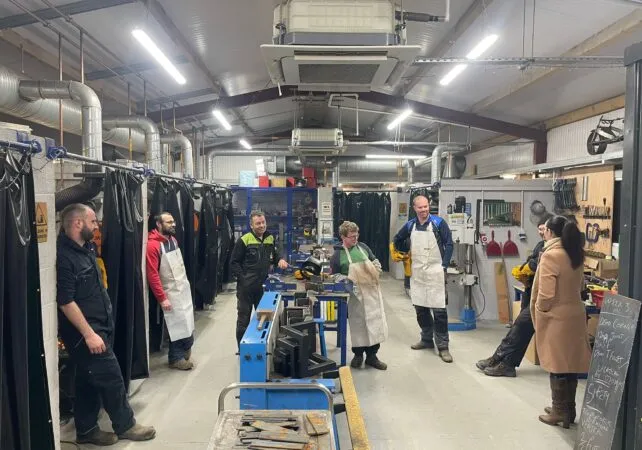
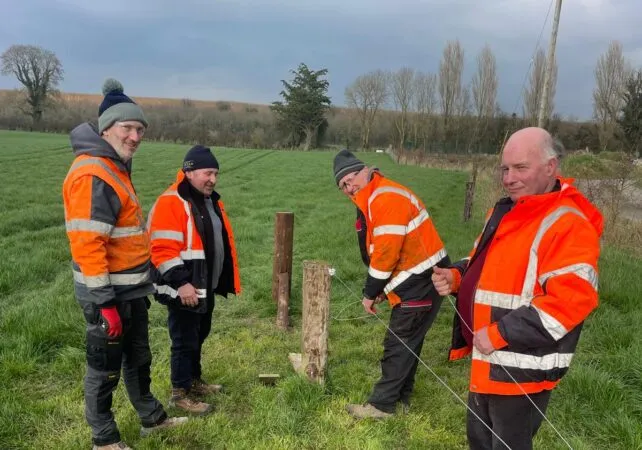
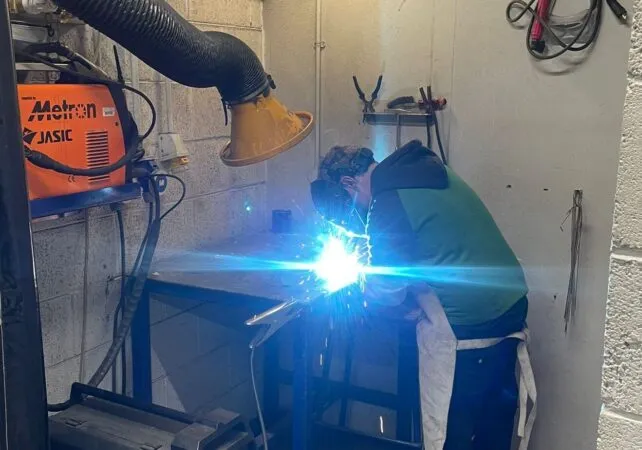
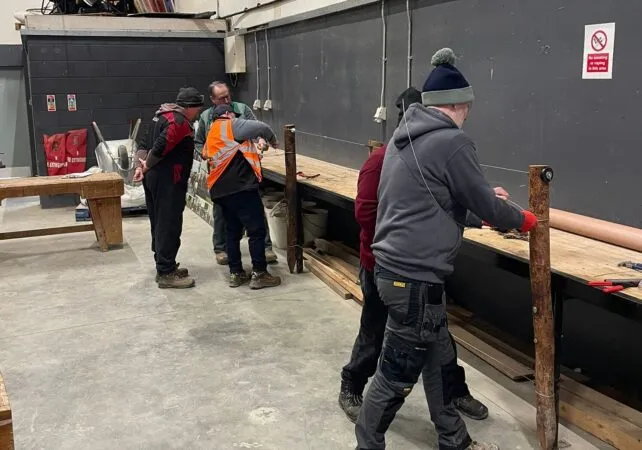
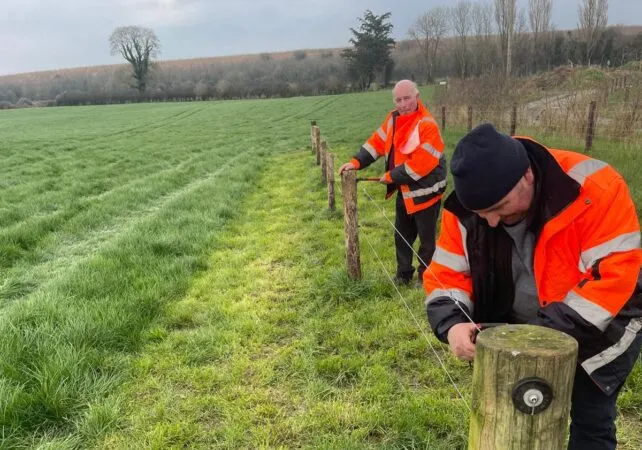
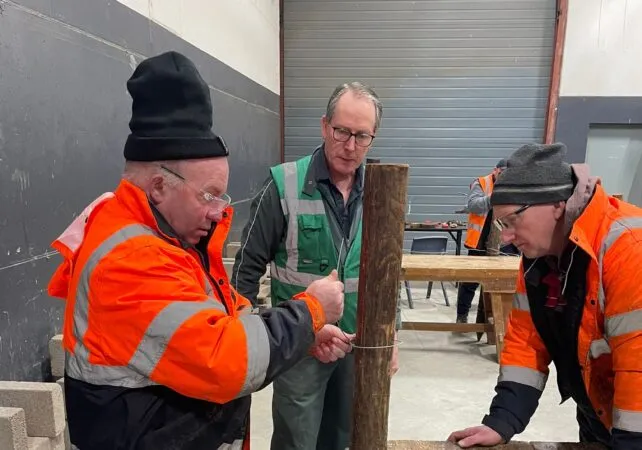
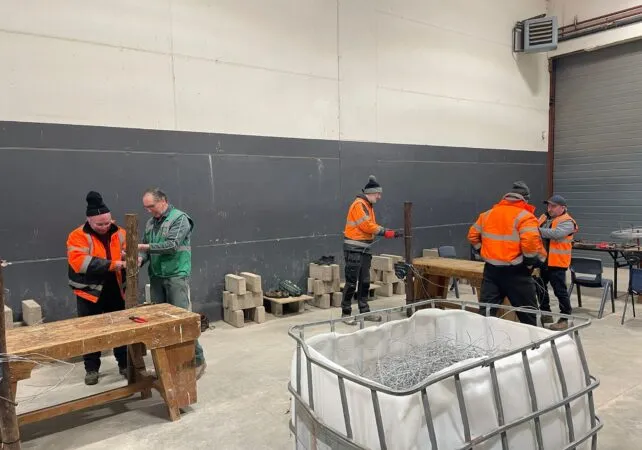
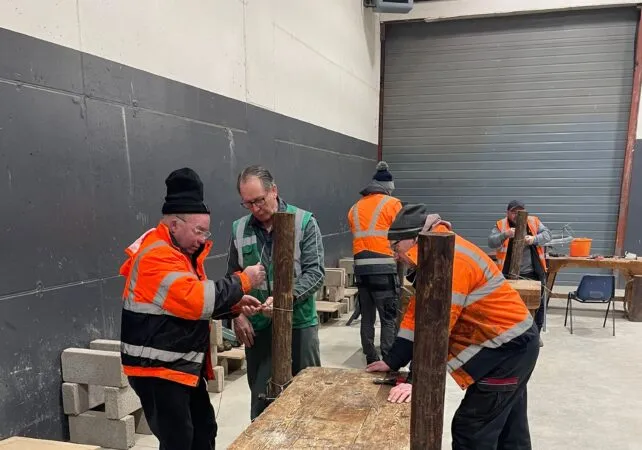
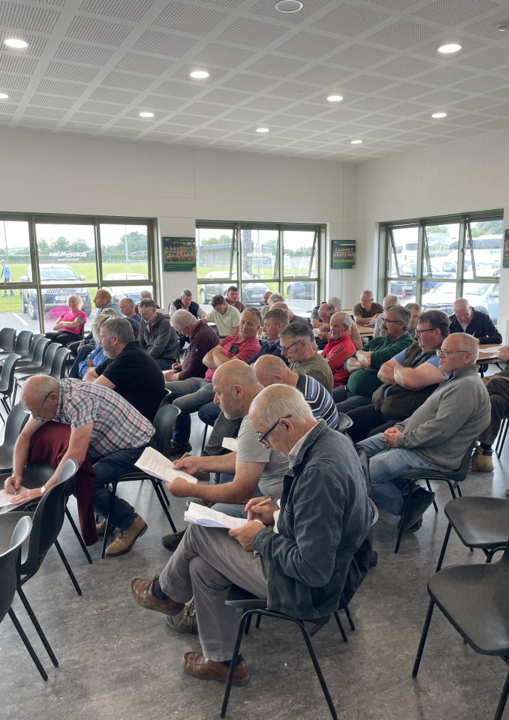
Through research conducted with farmers across County Offaly, the project identified a range of supports that could strengthen farm enterprises and improve long-term sustainability. These findings directly informed the development and delivery of training opportunities for farming households. As a result, 41 farmers from across Offaly participated in practical, hands-on training programmes designed to address the needs identified through the research. Training areas included hoof trimming, animal health and welfare, ARC and MIG welding, fencing skills, and financial support for farmers to complete their trailer licence test.