


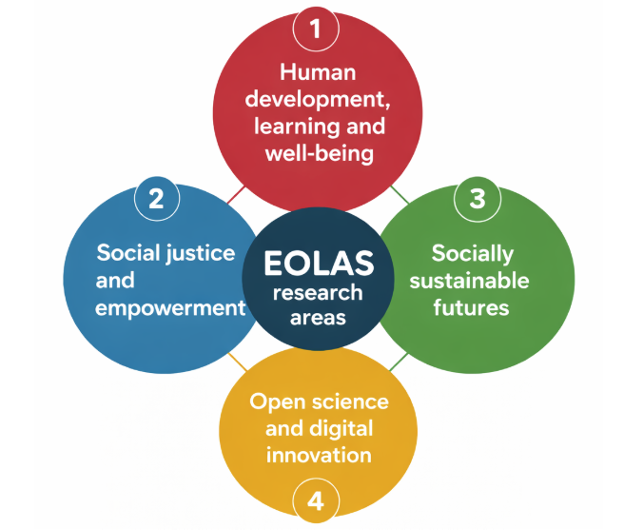
Human development, learning and well-being
EOLAS advances knowledge of human development, learning and well-being through interdisciplinary and transdisciplinary research examining the factors that shape holistic health and well-being outcomes. Our work addresses key aspects of individual and collective development, including behavioural change, intergenerational well-being, and the interplay between structure and agency within communities. By focusing on the whole lifespan, from childhood to later life, we aim to generate practical insights and evidence-based approaches to improve quality of life.
Social justice and empowerment
Through socially engaged and co-produced research, EOLAS champions social justice and empowerment by fostering inclusivity and amplifying the voices of all. Research in this area emphasises intersectionality and decolonisation, diversity, social inclusion, human rights, participation, social movements and activism, political leadership and decision-making.
Socially sustainable futures
EOLAS is dedicated to fostering socially sustainable futures through research that addresses social and economic challenges, paving the way for equity, resilience and quality of life. By examining changing social landscapes and promoting access to resources, human and social capital, and economic security, our research seeks to positively influence practices and policies that ensure socially sustainable solutions at local, regional, national and global levels.
Open science and digital innovation
EOLAS ensures transparency and inclusivity in the generation and access to research knowledge by embracing open science and digital change. This is driven by the belief that knowledge should benefit all.
Researchers
Dr Ashling Jackson
Dr Ashling Jackson is a Senior Lecturer in the Dept of Social Sciences at TUS: Midlands and Chair of the EOLAS Research Group. She teaches courses in sociology, community development and research methods, and supervises both undergraduate and postgraduate research projects. Ashling is co-editor of the books Learning on the Job: Parenting in Modern Ireland (Oak Tree Press) and Community Development in Ireland: Theory, Policy and Practice (Gill and Macmillan). Ashling’s research interests are centred around parenting, family life, social inequality, social change and community development. She focuses on qualitative research methodologies and research co-production, working in collaboration with communities facing social disadvantage. Ashling welcomes enquiries from prospective Master’s by Research and PhD candidates interested in these areas.
Contact: Ashling.Jackson@tus.ie
Dr Teresa Brown
Dr Teresa Brown is a Programme Director and Lecturer in the Dept of Social Sciences at TUS: Midlands. She teaches courses in professional practice and placement preparation and supervises both undergraduate and postgraduate research projects. Teresa is co-editor of the eBook Guide to the Standards of Proficiency for Social Care Workers, and the recent 2023 Social Care textbook Social Care Work: An Introduction for Students in Ireland. Teresa’s research interests are in the areas of youth at risk, relationship-based practice and empirical studies that include the ‘voice’ of the social care worker and service user. Teresa welcomes enquiries from prospective Master’s by Research and PhD candidates interested in these areas.
Contact: Teresa.Brown@tus.ie
Dr Anna Rose Codd
Dr Anna Rose Codd is a Programme Director and Lecturer in the Dept of Social Sciences at TUS: Midlands. Her PhD research focused on pedagogy in the outdoors in early childhood education and care, bringing together relational pedagogy and affordances theory as a theoretical model to explore outdoor environments. She used ethnography and the mosaic approach to engage educators, parents and children in her research. Anna Rose brings a wealth of practical and academic experience to her role in lecturing and programme development. She supervises research students at undergraduate level. Her research interests focus on developing quality early childhood and care that include attention to the outdoor environments as a pedagogical space. Anna Rose welcomes enquiries from prospective Master’s by Research and PhD candidates interested in this area.
Contact: AnnaRose.Codd@tus.ie
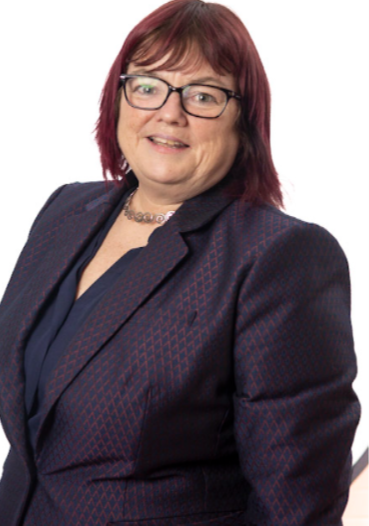
Dr Caroline Coyle
Dr Caroline Coyle is a Lecturer in the Dept of Social Sciences at TUS: Midlands. Her PhD, which explored Women, Ageing and Identity in Ireland, utilised autoethnography and poetic inquiry. Caroline uses her practice as a performance artist and other arts-based methods to engage in contextual relationality and create liminal, potentially transformative spaces, within which new stories, identities and meanings may be negotiated. Her research interests include cultural gerontology, creative community and society, creative research methods, arts-based participatory activism, and therapeutic approaches to social care using creative, participatory, and co-productive methods such as collaborative art, poetry, mythology, and ritual as tools of discovery. Caroline welcomes enquiries from prospective Master’s by Research and PhD candidates interested in these areas.
Contact: Caroline.Coyle@tus.ie

Dr Eoghan McNeill
Dr Eoghan McNeill is a Lecturer in Applied Psychology in the Dept of Social Sciences at TUS: Midlands. Eoghan currently lectures on the topics of cognitive psychology, research methods, inferential statistics, and contemporary issues in psychology. Eoghan completed a PhD at the University of Limerick on the topic of motor simulation states and their uses in facilitating sensorimotor performance. Eoghan has supervised research projects at both undergraduate and Master’s levels, and is currently co-supervising a PhD Project, funded by the TUS President’s Doctoral Scholarship, on new methods to increase statistical power in applied research. Eoghan’s primary research interests lie in the cognitive mechanisms underlying motor skill performance, as well as replicability and reproducibility in experimental cognitive science more generally. Eoghan welcomes enquiries from prospective Master’s by Research and PhD candidates interested in these areas.
Contact: Eoghan.McNeill@tus.ie
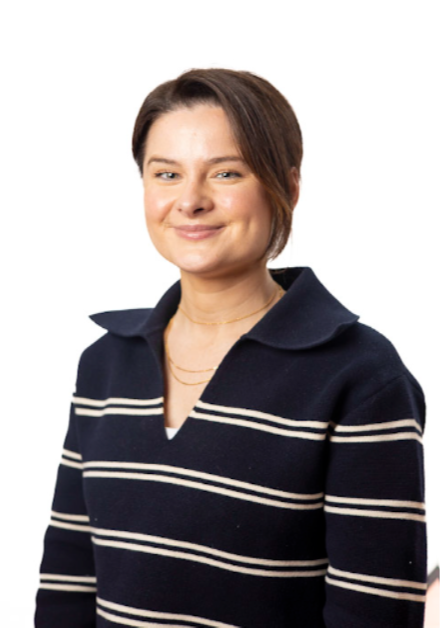
Dr Edith Walsh, C. Psychol., Ps.S.I.
Dr Edith Walsh is a Lecturer on the BSc (Hons) in Applied Psychology programme in the Dept of Social Sciences at TUS: Midlands. She completed her PhD in Applied Behaviour Analysis at the University of Galway in 2019. Her doctoral research focused on the use of technology-aided interventions to teach and enhance the skills necessary for promoting workplace inclusion among neurodivergent adults with additional support needs. Edith brings extensive clinical experience supporting individuals, families and professionals in the areas of assessment, intervention, and the implementation of Positive Behaviour Support. She is a Chartered Behavioural Psychologist of the Psychological Society of Ireland (PSI) and a member of the PSI Division of Behavioural Analysis. In addition to her clinical and research work, Edith has substantial experience in lecturing and curriculum development, and she has supervised research students at both undergraduate and postgraduate levels. Her research focuses on supporting inclusive communities and translating evidence into sustainable improvements in practice. Edith welcomes enquiries from prospective Master’s by Research and PhD candidates interested in this area.
Contact: Edith.Walsh@tus.ie

Helen Nana Awhinawhi
Helen Nana Awhinawhi is a Lecturer in Early Childhood Education and Care at the Dept of Social Sciences at TUS: Midlands. She contributes to the Shades of Life Applied Behaviour Analysis Global Programme, supporting educators in inclusive settings. She teaches across inclusive education, behavioural strategies and professional practice. An award-winning researcher and recipient of the B.F. Skinner Applied Research Award (EABA), Helen is currently undertaking doctoral research at Maynooth University, exploring the lived experiences of Sub-Saharan African caregivers raising children diagnosed with autism spectrum disorder. Her research focuses on Positive Behaviour Support, early intervention, and culturally responsive, inclusive pedagogies, using quantitative and mixed methods approaches. She is Programme Coordinator for Neuro-informed Play and Lego-Based Therapy with New Horizon Ireland and serves on the Ethics Committee and Advisory Council of the Winford Centre for Children and Women. Helen welcomes enquiries from prospective Master’s by Research candidates in the above areas.
Contact: Helen.Awinawhi@tus.ie
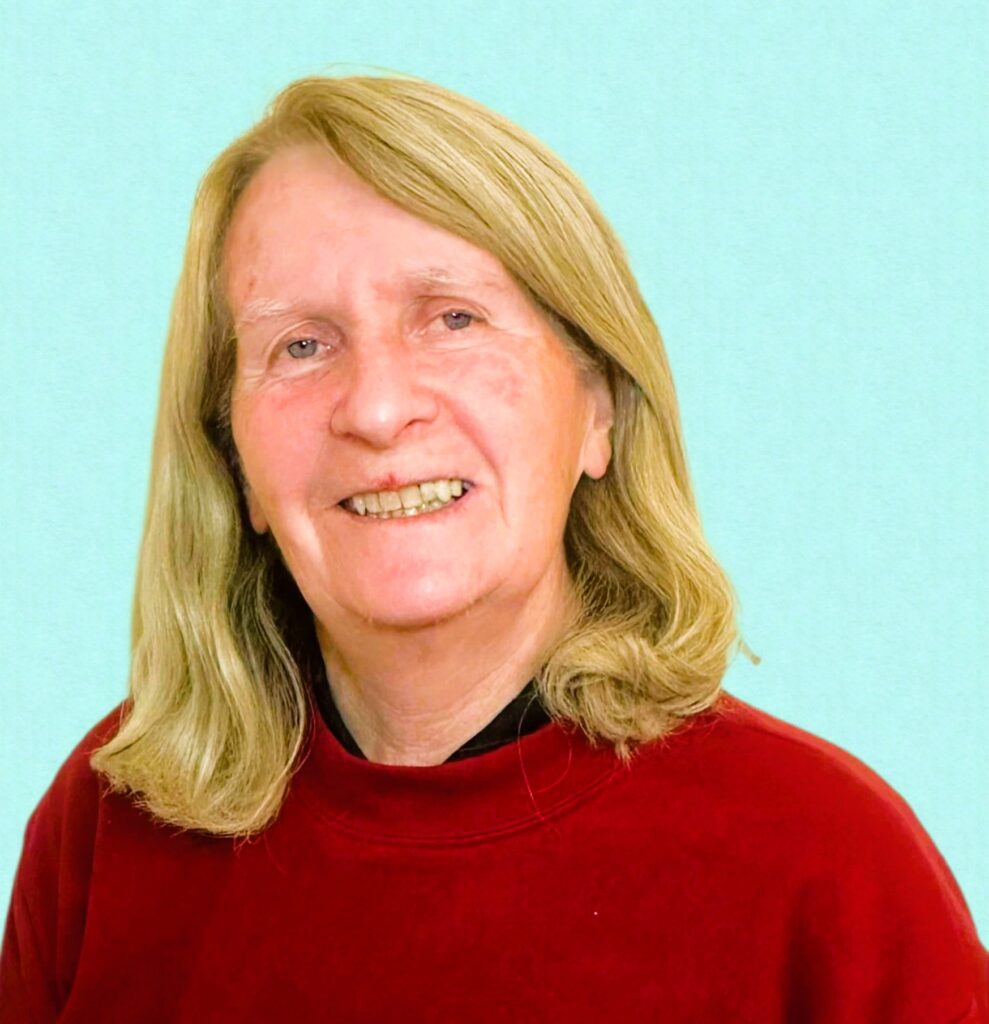
Finola Colgan-Carey
Finola Colgan Carey LL.M, LL. B, B.A, H. Dip. Ed., Dip. Project Management is a part-time Law Lecturer at the Dept of Social Sciences at TUS: Midlands, teaching since 2007 across the Faculty of Continuing, Professional, Online and Distance Learning and the Faculty of Science and Health. Finola has over 35 years of experience in mental health promotion development, and is a personal advocate for participatory governance, equality and wellbeing. Her work spans transformative mental health programmes, human rights education and civic engagement, with a particular focus on socially marginalised communities.
Finola is co-author of Veterinary Law and Practice in Ireland (Clarus Press) and a recipient of the National Award for Excellence in Teaching (NAIRTL) for her contribution to the Higher Diploma in Custodial Care, delivered in partnership with the Irish Prison Service and Sligo IT. Finola welcomes enquiries from prospective Master’s by Research candidates interested in the above areas.
Contact: Finola.ColganCarey@tus.ie
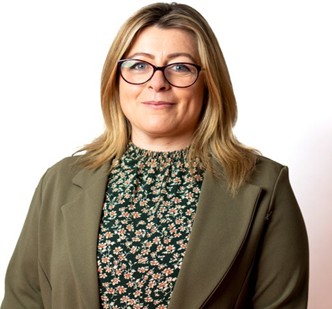
Delores Crerar (PhD Candidate, ILAS, Galway)
Delores Crerar is a Researcher and Assistant Lecturer in the Dept of Social Sciences at TUS: Midlands and Dept of Business at TUS: Midlands, and an active member of the EOLAS Research Group. Her work contributes to EOLAS’s mission to provide “a vital platform for co-produced research into human behaviour, lived experiences, and social issues,” with a particular focus on the intersections of community development, social care and public sector commissioning. Delores’s research interests centre on how evidence-informed commissioning can better respond to complexity, context and lived experience. She employs critical realist approaches to explore what works, for whom, and under what conditions, and integrates Participatory Action Research (PAR) into her research to ensure that communities and practitioners shape the research process. Her work advances socially engaged, context-sensitive knowledge that strengthens policy, enhances community capacity, and supports equitable, sustainable social care and community development practice in Ireland. Delores welcomes enquiries from prospective Master’s by Research candidates in these areas.
Contact: Delores.Crerar@tus.ie
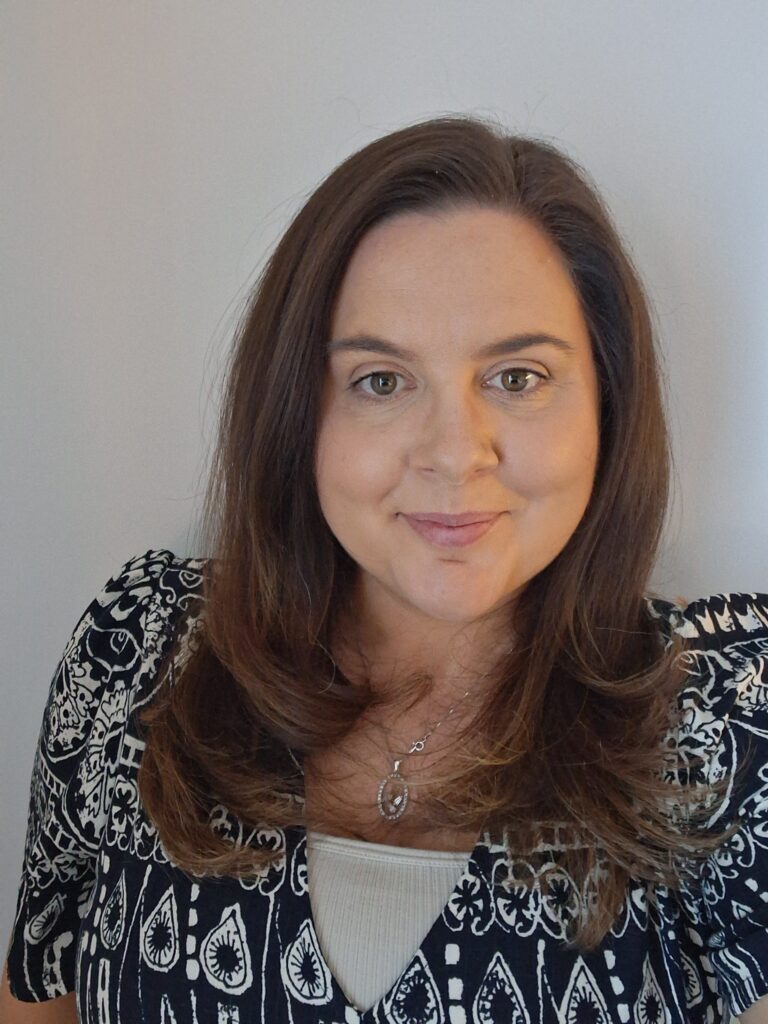
Orla Dowling
Orla Dowling is an Assistant Lecturer in Social Care in the Dept of Social Sciences at TUS: Midlands. She teaches across undergraduate programmes in sociology and professional social care practice and supervises student research dissertations and placements. She is currently Principal Investigator on a Higher Education Authority-funded participatory evaluation project examining inclusive higher education for students with intellectual disabilities.
Orla’s research interests centre on child and family practice, including supervised access and contact frameworks, safeguarding systems, and child-centred, rights-based approaches. She also has a strong interest in inclusive higher education, student belonging, and participatory and visual research methods, particularly in co-creating knowledge with underrepresented groups. Orla welcomes enquiries from prospective Master’s by Research candidates in these areas. With over 15 years of professional experience in social care, her work bridges practice, research and policy.
Contact: Orla.Dowling@tus.ie
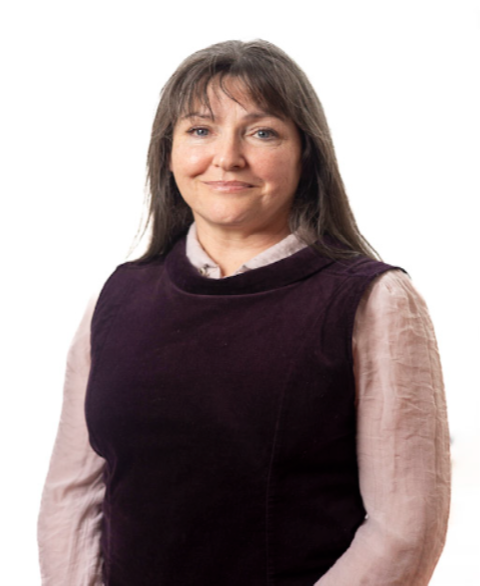
Imelda Rea
Imelda Rea is a Lecturer in the Dept of Social Sciences at TUS: Midlands, where she lectures on Contemporary Social Care Practice modules, supervises undergraduate researchers and supports student placements. A member of Social Care Ireland, Imelda brings a strong commitment to creative, participatory, and socially engaged practice to her teaching and research. Imelda has contributed to publications on social care practice and standards and has presented internationally on topics such as creative engagement in education, community voice, and barriers to participation in higher education, reaching audiences in Ireland, the UK, Canada, and Finland. Currently undertaking a Professional Doctorate (DEd.) in Higher and Adult Education at Maynooth University, Imelda is exploring older women’s experiences of accessing, participating in, and completing higher education through an autoethnographic and qualitative lens. Imelda welcomes enquiries from prospective Master’s by Research candidates in this area.
Contact: Imelda.Rea@tus.ie
Doctoral Researcher

Student name: Sarah Hughes
Supervisors: Dr Edith Walsh (TUS – Primary Supervisor) and Dr Helena Lydon (University of Galway)
Tile of PhD project: Accessing, Progressing and Connecting: An Investigation into the Support Necessary to Promote Social Inclusion at Third Level for Autistic Students.
Subject area: PhD in Psychology (Applied)
Summary of research:
This research project explores the experiences of autistic students in higher education, focusing on how social, academic, and institutional factors affect their inclusion and success. With education recognised as a transformative force, the study aligns with national and European priorities promoting inclusive learning environments, as outlined in Ireland’s National Access Plan (2022–2026). Although autism-friendly university initiatives exist, there remains limited empirical evidence on their effectiveness and on the lived experiences of autistic students. The study aims to build a stronger evidence base to inform inclusive policies and practices in higher education. Specifically, it investigates the barriers and facilitators to social inclusion, the types of supports and accommodations available, and how autistic students’ social, academic, and mental health experiences compare with those of non-autistic peers. Ultimately, the research seeks to amplify autistic students’ voices and improve accessibility and inclusion across third-level institutions.