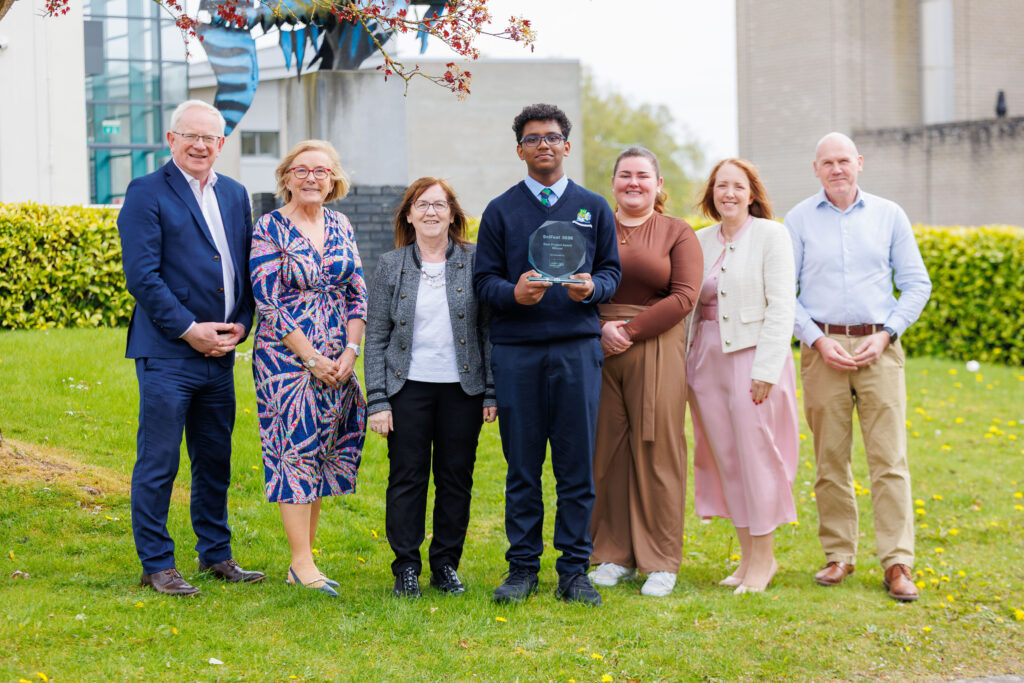

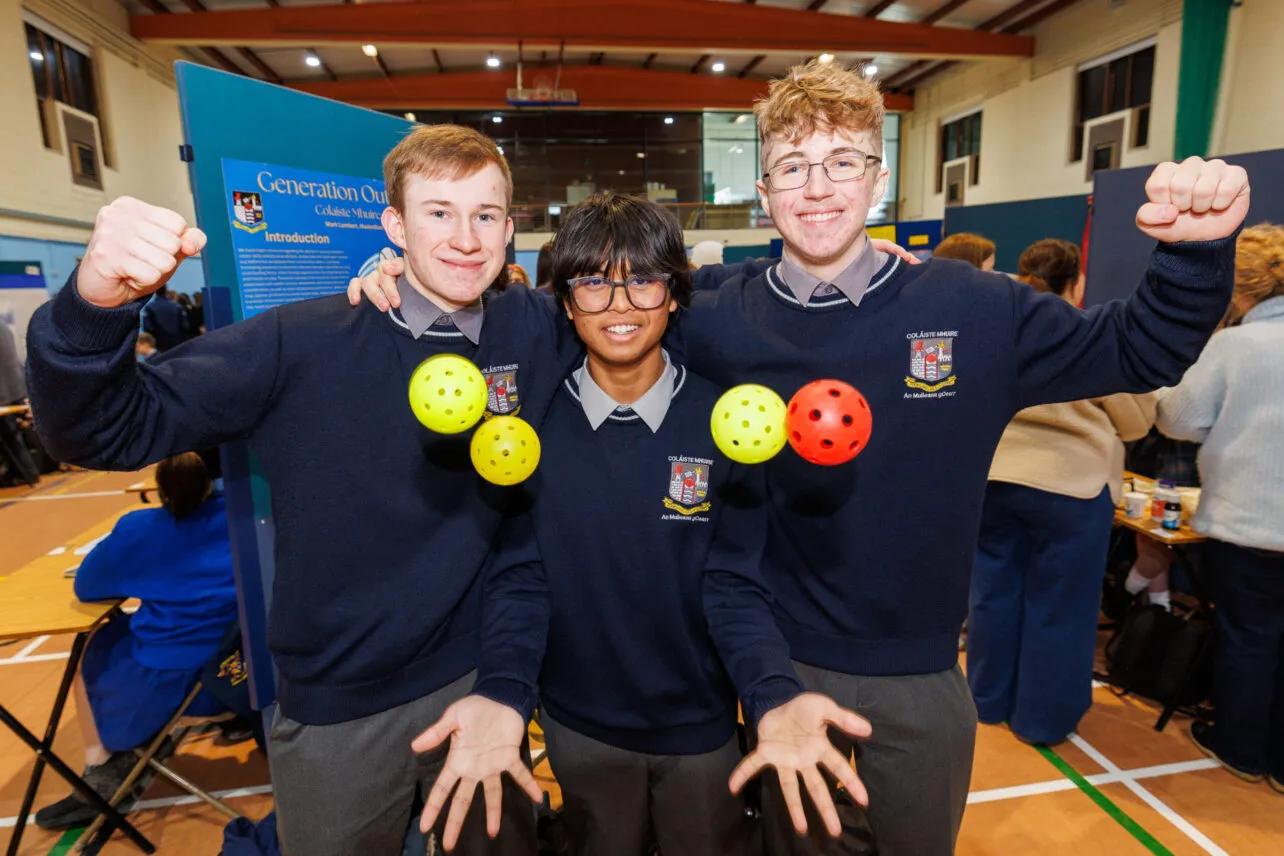
SciFest 2026 brought hundreds of second-level students to Technological University of the Shannon (TUS) which hosted three of the 15 regional finals across its campuses in Moylish, Athlone and Thurles, reinforcing its position as a key hub for STEM engagement across the Midwest and Midlands.
Altogether, TUS welcomed 680 second-level students who presented more than 220 projects spanning life sciences, physical sciences and technology.
At the Moylish campus in Limerick, the SciFestBest Project Award was awarded to Soumyadeep Saha from Ardscoil Rís for his project exploring how artificial intelligence can improve reading accessibility.
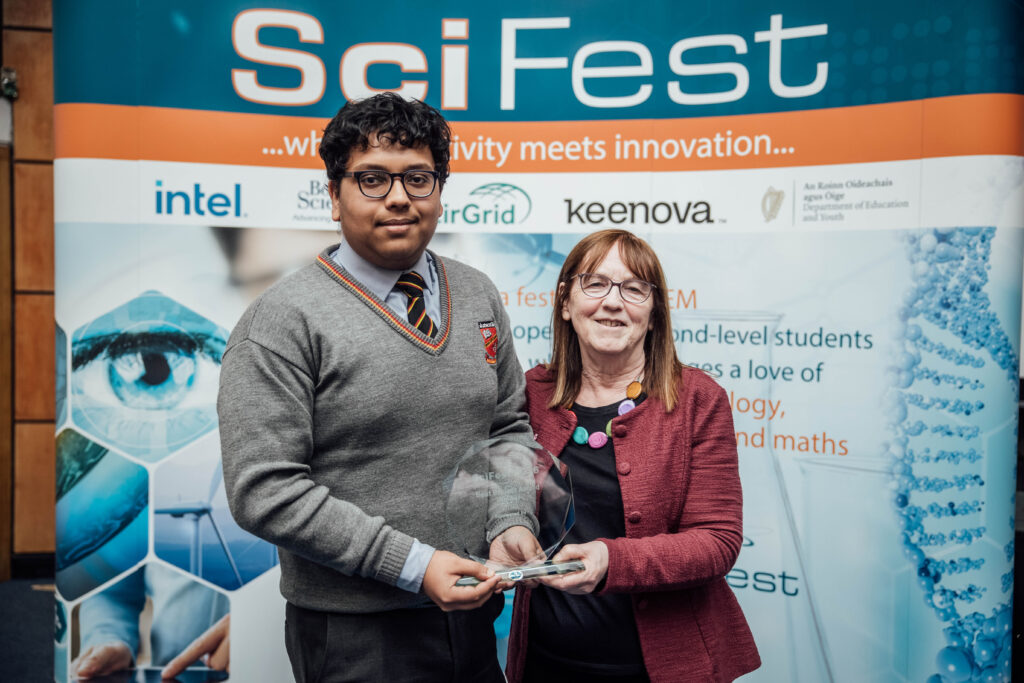
His project, Optima – An Investigation in the Effect of Intelligent and Dynamic Text Presentation on Reading Efficiency, uses deep learning to dynamically adjust text presentation — including spacing, structure and keyword highlighting — to support people with dyslexia and other reading challenges. The research also explores the potential for real-time adaptation using eye-tracking technology.
At the Athlone campus, the top honour went to Aditya Surendran from Athlone Community College for his work on improving the scalability of blockchain and banking systems. His project demonstrated how digital systems can remain secure and efficient as they expand, supported by a working prototype tested under simulated real-world conditions.
Meanwhile, at the Thurles campus, Imaan Kashif from Loreto Secondary School, Clonmel, won the Best Project Award for her research on magnetically guided nanoparticles for targeted drug delivery. Her project demonstrated how treatments could be directed more precisely within the body using a simulated blood vessel model.
All three winners will now progress to the SciFest National Final, with the opportunity to represent Ireland at the International Science and Engineering Fair (ISEF) in Los Angeles in May 2027.D
Across all three campuses, students tackled real-world challenges — from healthcare innovation and digital security to environmental sustainability and personal safety. Among the standout projects were:
- An AI-driven planting system addressing air pollution (Limerick)
- A “Cardboard Self-Defence Arm” exploring accessible personal safety solutions (Athlone)
- Calm Case, a project tackling fear of needles in healthcare settings (Thurles)
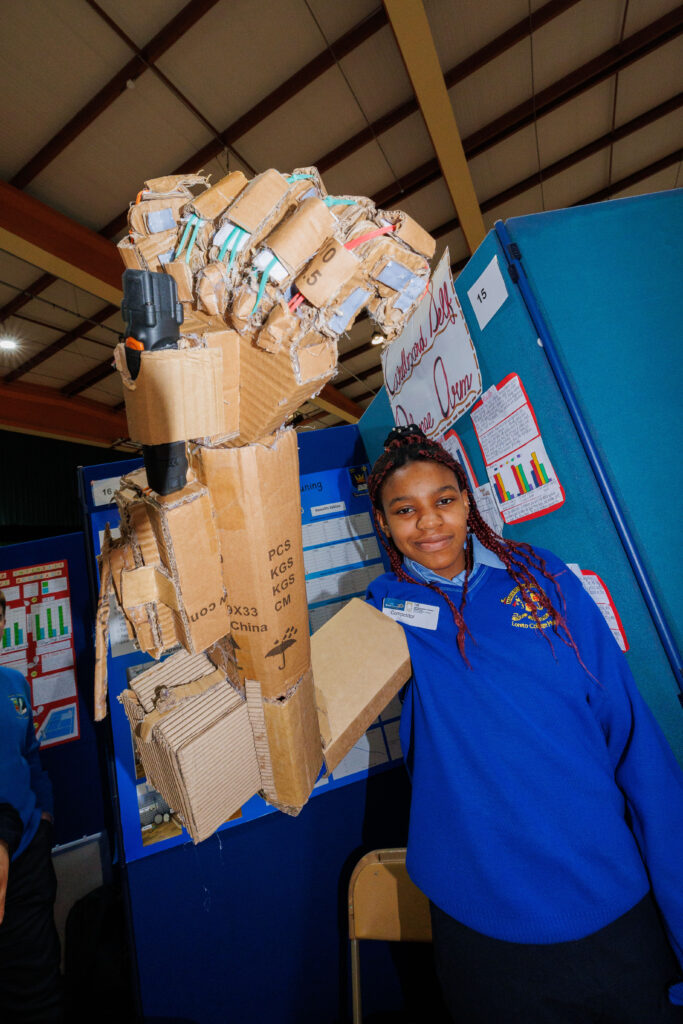
The breadth of ideas reflected the diversity of student thinking and the growing importance of STEM in addressing societal challenges.
Now in its 20th year, SciFest continues to promote active, collaborative and inquiry-based learning among second-level students.
Speaking on this year’s events, Sheila Porter, Founder and CEO of SciFest, said:
“Twenty years ago, the first SciFest fair took place in 2006, and since then we’ve seen tens of thousands of students bring ideas to life — asking questions, testing solutions and presenting projects with confidence and pride.
It is inspirational to see the innovation, imagination and impact of this year’s SciFest projects across TUS. I would encourage every second-level student with an idea, interest or even just a question to remain curious and enter SciFest.”
SciFest is funded by the Department of Education and Youth and supported by industry partners including Intel, Boston Scientific, EirGrid and Keenova.
Credit is due to the work of all TUS staff involved in delivering these events, including campus coordinators and academic teams who supported students throughout the SciFest process.