




Introduction
According to UNESCO, “Education for Sustainable Development empowers people with the knowledge, skills, values, attitudes and behaviours to live in a way that is good for the environment, economy, and society. It encourages people to make smart, responsible choices that help create a better future for everyone.”
ESD and the Sustainable Development Goals
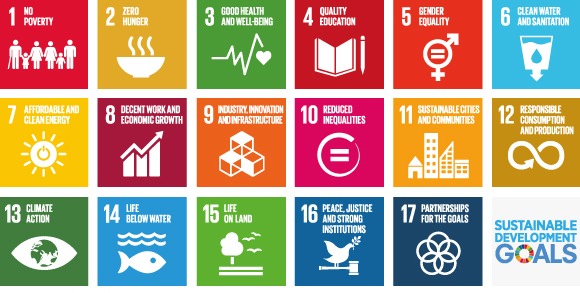
Quality Education is one of the 17 Sustainable Development Goals adopted by the UN, which aims to achieve peace and prosperity for people and the planet by 2030.
SDG Target 4.7 aims to “ensure all learners acquire knowledge and skills needed to promote sustainable development, including, among others through education for sustainable development and sustainable lifestyles, human rights, gender equality, promotion of a culture of peace and non-violence, global citizenship, and appreciation of cultural diversity and of culture’s contribution to sustainable development” by 2030.
ESD in Ireland
ESD to 2030 is Ireland’s Second National Strategy on Education for Sustainable Development and aims to support the achievement of Sustainable Development Goal (SDG) 4.7, as well as being a key enabler for the achievement of all other SDGs.
ESD in TUS
TUS Learning, Teaching and Assessment Strategy incorporates sustainability. Graduate Attribute Six is ethical, social, intercultural, environmental awareness and responsiveness and states that ‘TUS graduates will be committed to contributing to their local communities, while also being empathetic global citizens with personal and professional values which demonstrate a strong sense of ethical, social, intercultural and environmental responsibility’. The new TUS Policy for Taught Programme Validation and Modification includes sustainability criteria related to the modification or development of courses.
CPID offers a range of opportunities and resources to support staff in incorporating ESD into their practice. More info about these initiatives can be found below.
ESD Module
This module is part of the Master of Arts in Academic Practice suite, offered by the Centre for Pedagogical Innovation and Development (CPID) and aims to provide participants with the prerequisite skills and knowledge to enhance the learning experience of the student population through the creation and implementation of an inclusive learning environment, underpinned by the principles of ESD, and meeting the diverse needs of the learning community.

Certificate in Embedding Education for Sustainable Development (ESD) in the Curriculum
Module OverviewKey outputs
- This module is delivered online (Via the Zoom platform) to enable a diverse range of delivery methods to facilitate the learning requirements of students.
- Digital technologies have the potential to provide adaptable modes of delivery for coursework that complement the learning environment for students, where appropriate, as they are incorporated into many aspects of the module (content, assessments, lectures, tutorials, etc.) to enrich both student engagement and create a student-centred experience. This approach is in keeping with SDG Goal 4—Quality Education and Goal 10—Reduced Inequalities (see image below) and allows students to upskill, develop their digital literacy skills, and promote a lifelong, flexible model of learning.
- Guest lectures have significantly enriched the teaching and learning strategy of this module, including:
- Mr Seamus Hoyne, Dean of Flexible and Work-Based Learning, Head of Centre, Thurles Campus, TUS
- Mr Sean Connell, Senior Lecturer, Department of Hospitality, Tourism and Leisure, TUS.
- Ms Aðalheiður Snæbjarnardóttir, Head of Sysuatinanailiyu, Landsbankinn, Iceland.
- Ms Karina Seljak, Co-Founder and Creative Director, Seljak Brand, Australia.
- Ms Valerie Lewis Take 1 Programme – Director, Ireland.
- Professor Charlotte Holland DCU Dean of Global Relations/ Professor, Dublin City University, Ireland.
- Professor Geogina Gough, Professor of Education for Sustainable Development at the University of the West of England, United Kingdom.
- Dr Cathy Fitzgerald – Founder Haumea Ecoversity.
SDG Goals
Testimonials
The course gave me strategies and techniques to embed ESD across a whole institution. Through a connected curriculum the opportunities to embed ESD across teaching and learning, research and communities has been a transformative experience.
The ESD course enabled me to see the opportunities for integrating sustainability into my professional practice and home life.
The ESD module provided a practical understanding & application of sustainability across a wide range of sectors. The online lectures were interactive and engaging, allowing the learner to enhance their knowledge through peer learning & guest lectures.
I found the module had extensive resources and provided insight into education for sustainable development. I feel more equipped to introduce this aspect into my learning and teaching environment.
A lovely module with engaging content.
Completing the Education for Sustainable Development course has been somewhat of a transformative experience. The module has deepened my understanding of the interconnectedness between environmental, social, and economic sustainability, and has empowered me with some practical tools to drive positive change in my lecturing in this regard. The course content was thought-provoking and aligned with real-world challenges, making it both relevant and actionable.
I now feel better equipped and more comfortable in promoting sustainable practices within my faculty. I recommend that we make an Education for Sustainable Development Module Mandatory on all first-year programmes.
ESD Compendium
Compendium of Embedding Education for Sustainable Development in Teaching, Learning, and Assessment
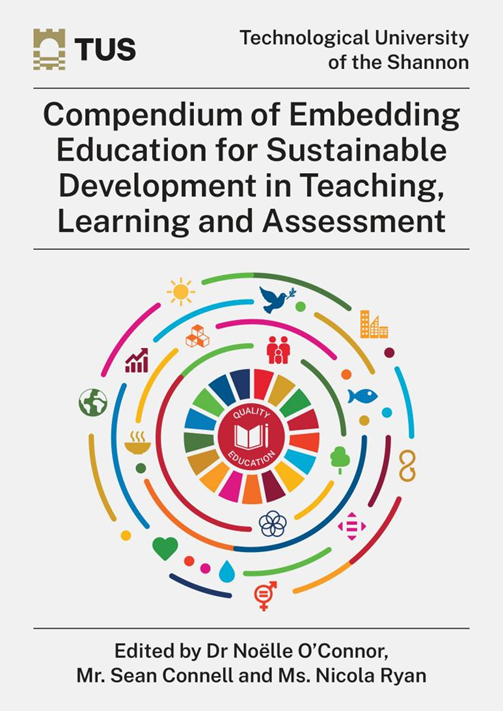
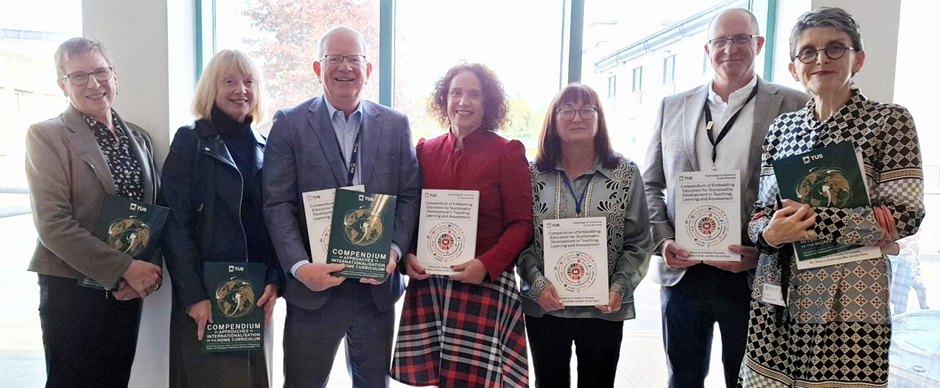
The Technological University of the Shannon (TUS) Compendium of Embedding Education for Sustainable Development in Teaching, Learning and Assessment exemplifies the university’s commitment to embedding Education for Sustainable Development (ESD) across teaching and learning. It showcases how TUS integrates research-informed practices into programme design, teaching, and assessment, equipping students to tackle global sustainability challenges. Specifically, the compendium highlights innovative approaches aligned with the ESD for 2030 Priority Action Areas, focusing on policy advancement, learning environment transformation, educator capacity building, youth empowerment, and local-level action.
Launch of ESD Compendium at TUS
On September 24th at 11:00 AM in TUS Athlone and online, CPID officially launched its latest volume of the Compendium series, titled “Compendium of Embedding Education for Sustainable Development in Teaching, Learning, and Assessment.” This compendium serves as a practical guide for educators, students, and stakeholders, presenting best practices, case studies, and insights into how ESD can be meaningfully embedded within higher education. By sharing these approaches, TUS aims to inspire and support a university-wide culture of sustainability, ensuring that all students are equipped to contribute to a more sustainable world.
Professor Vincent Cunnane, TUS President, formally launched the compendium. Professor Georgina Gough, the UK’s first female Professor of Education for Sustainable Development, delivered the keynote address. Dr Mark Kelly of the HEA National Forum for the Enhancement of Teaching and Learning in Higher Education, Policy Advisor on ESD, also spoke at the launch, and provided examples of some of the TUS case studies published in each of the compendia. Finally, the session was closed by Mr Duncan Stewart, Architect, Environmentalist and TV Presenter.
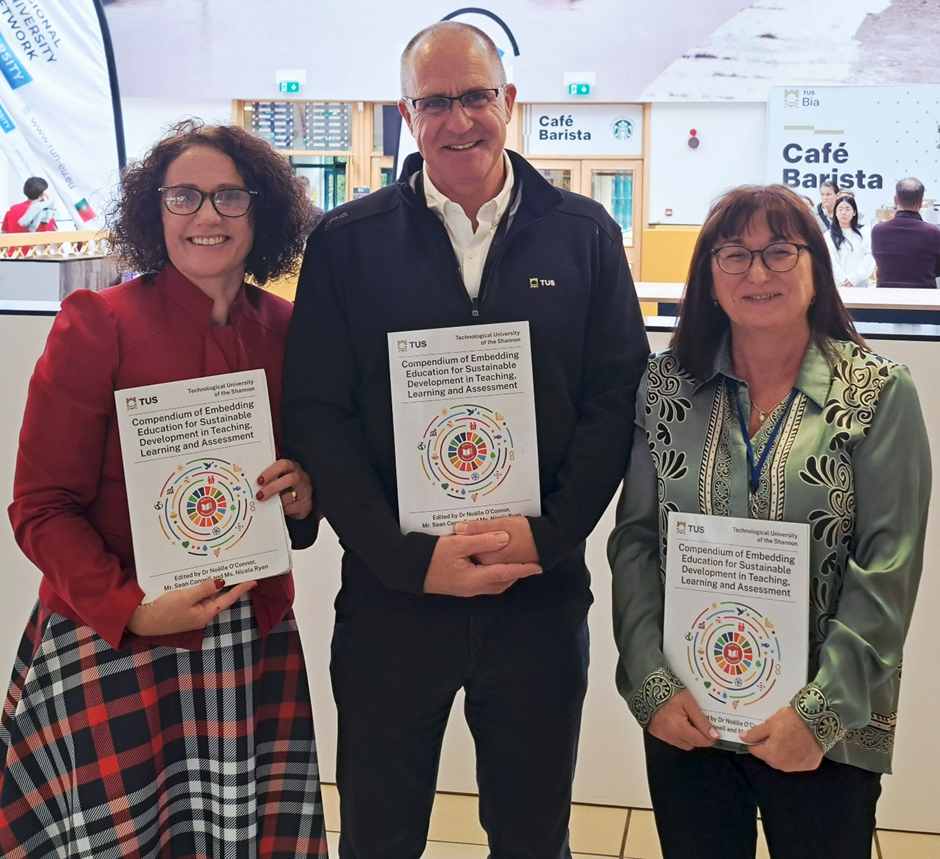
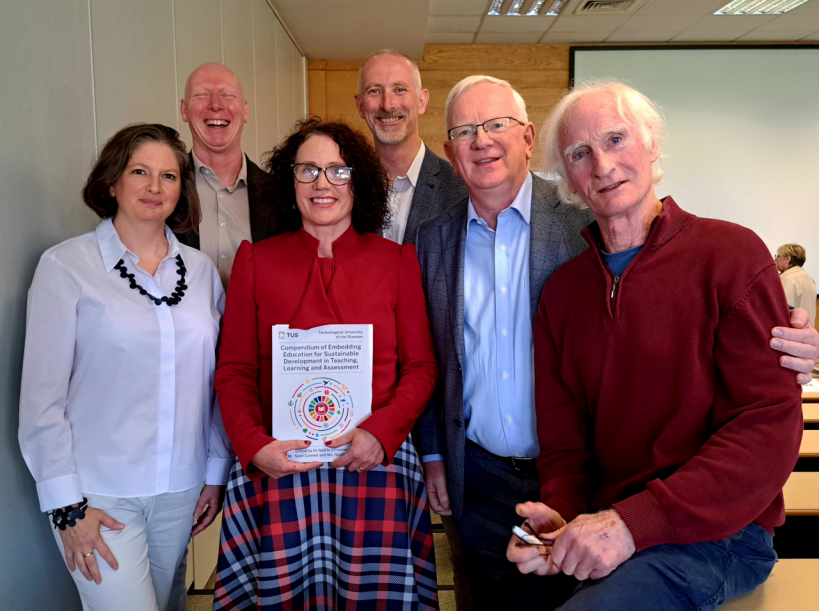
Front L – R, Dr Georgina Gough, Dr Noëlle O’Connor and Mr Duncan Stewart
ESD Resources
The resources listed below include webinars, podcasts, research articles, and TUS Sustainability Projects. Each section provides valuable information, practical examples, and tools to help you deepen your understanding of the topic. Explore them at your own pace and use them to enhance your knowledge and skills.
Webinar Recordings
HEA Education for Sustainable Development (ESD) Spotlight Series – Technological University of the Shannon, October 3rd, 2025
View HereTUS Education for Sustainable Development in Higher Education webinar, May 23rd, 2023
View HerePodcasts
Embedding Education for Sustainable Development in Learning and Teaching
Valerie Lewis is the Director of the Take 1 Programme, which supports post primary schools to communicate, raise awareness of, and embed Education for Sustainable Development in learning and teaching, as part of a transformative ‘whole school’ curriculum approach. The Take 1 Programme is funded by the Department of Education under Priority 2: Transforming Learning Environments, as part of ESD to 2030, Ireland’s Second National Strategy on ESD.
Dr Noëlle O’ Connor, Senior Lecturer with the Department of Hospitality, Tourism and Wellness (Limerick) and CPID, talks with Valerie on the topic of Embedding Education for Sustainable Development in Learning and Teaching.
This podcast was recorded in February 2024 and was funded by the National Forum for the Enhancement of Teaching and Learning in Higher Education, the Higher Education Authority, and the Centre for Pedagogical Innovation and Development Department within the Technological University of the Shannon.
Listen hereSustainable food production in a Higher Education Learning Restaurant, utilising Vertical Aeroponic Tower Gardens
Seán Connell is a Senior Lecturer in Hotel and Catering TUS. His research interests focus on learning and teaching innovations for hospitality, tourism and leisure education.
Sean speaks with Dr. Mike Russell, a lecturer with CPID, about the SATLE funded project that he undertook with other colleagues from TUS: Dr NoëlleO’Connor, Dr Emma Reardon, Ms Nicola Ryan, Ms Nora Shine, and Mr John Lydon. The project, Sustainable food production in a higher education learning restaurant utilising vertical aeroponic Tower Gardens, examined the process of producing vegetables and herbs from germination through to harvest for use as an ingredient in herbal teas and restaurant dishes using aeroponic systems. The tower gardens use a soil-free, nutrient-enriched, oxygenated water system and a low-wattage water pump and LED lights to grow produce. Third year hotel management students, in their Environmental Management and Resource Efficiency module, examined the efficiency of using the tower gardens to produce herbs for herbal teas as opposed to buying in branded teas.
This podcast was recorded in May 2024 and was funded by the National Forum for the Enhancement of Teaching and Learning in Higher Education, the Higher Education Authority, and the Centre for Pedagogical Innovation and Development Department within the Technological University of the Shannon.
Listen hereResearch Articles
Publications on ESD at TUS
- Maguire, K., O’Connor, N., Condron, R., Archbold, P., Hannevig, C. and Honan, D. (2024). Examining the alignment of tourism management related curriculum with the United Nations Sustainable Development Goals (SDG’s) in Higher Education Institutions in Ireland, Sustainability. 16, 8554.
- O’Connor, N, Connell, S. & Ryan, N. (Eds.). (2025). Compendium of embedding Education for Sustainable Development in teaching, learning and assessment. Technological University of the Shannon.
TUS Sustainability Projects
TUS Led Projects
The Inspire project offers training and educational materials to refugee tourism entrepreneurs across Europe.
The FoodTuristic project addresses the lack of green technology curriculum in European culinary and hospitality schools, which have traditionally focused more on gastronomy and hospitality management skills.
TUS Partner Projects
Epic Stays bridges the shortage of tourism accommodation across Europe and the need for rural tourism development and regeneration.
The UPLIFT Project helps Europe’s tourism sector embrace technologies such as virtual reality (VR), augmented reality (AR), and artificial intelligence (AI).
FoodEcoCulture is transforming food and hospitality education across Europe by creating a new, interdisciplinary approach that links theory with practical solutions.
Contact Information
For more information, please contact Dr Noëlle O’Connor on Noelle.OConnor@tus.ie