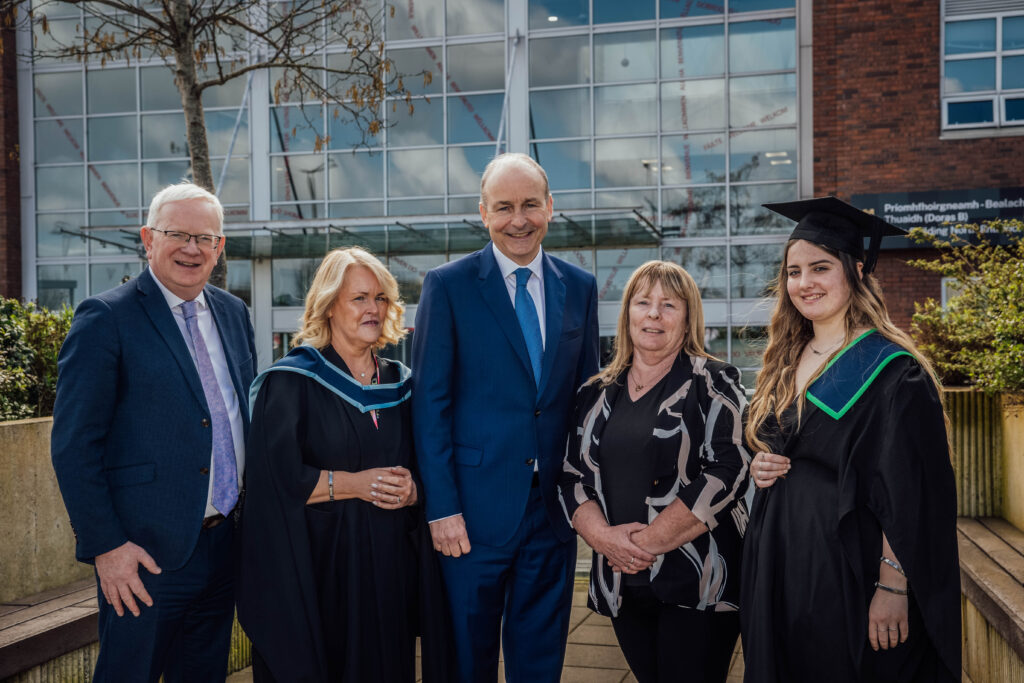

An Taoiseach Micheál Martin heard how a Technological University of the Shannon (TUS) programme is helping young people build the confidence to pursue careers in the trades, including a Limerick woman now set to begin an electrical apprenticeship with Irish Rail.
The Access to Apprenticeship (ATA) programme supports young people aged 16 to 24 from disadvantaged backgrounds to access apprenticeship opportunities, providing a clear pathway into employment and further training.
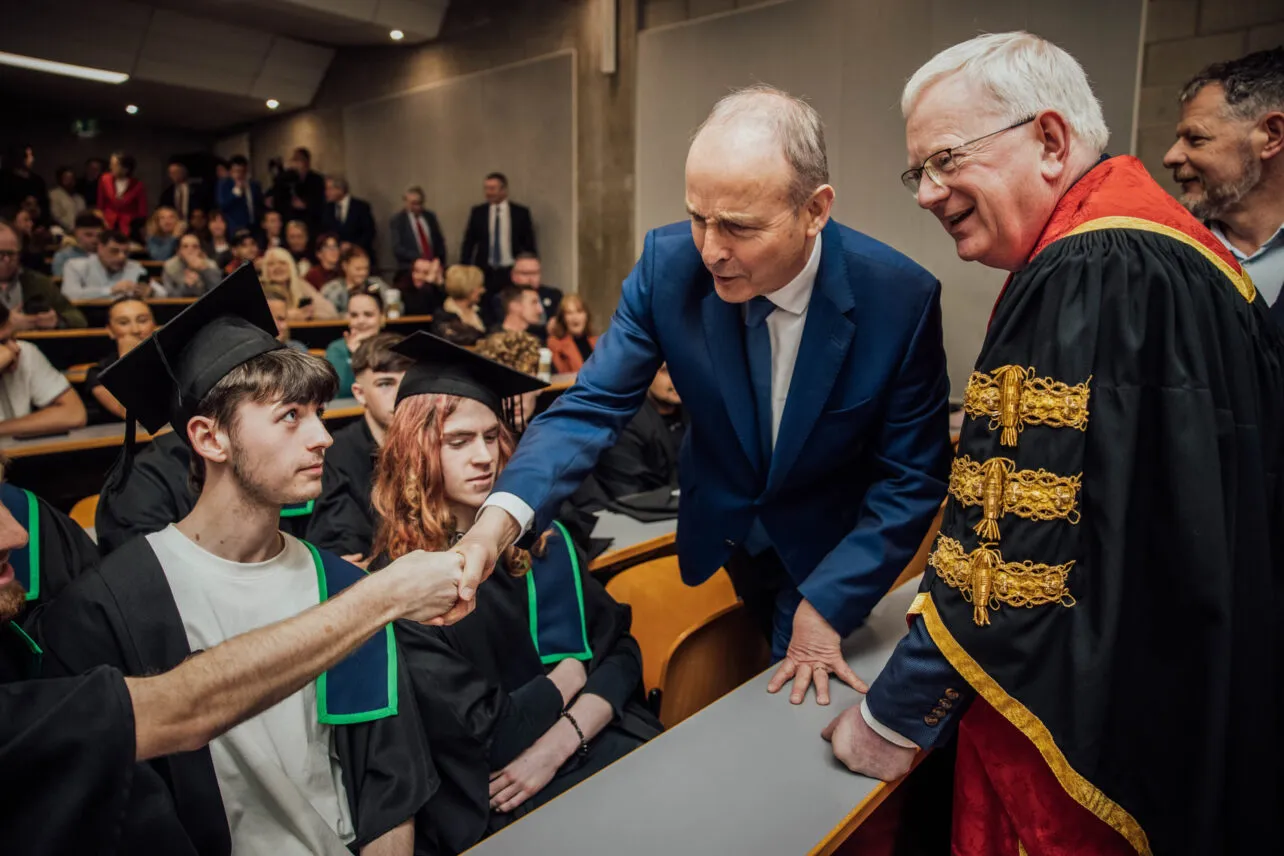
The Taoiseach was among the guests who attended the graduation ceremony at the Moylish Campus, where he spoke to graduates, congratulated them individually, and heard firsthand their experiences of the programme
Among the graduates was Katelyn Prior, from Limerick City, who described how the programme helped her build the confidence to pursue a hands-on career after realising a traditional college route was not the right fit for her.
“After starting a degree, I realised it just wasn’t for me — I wanted something more hands-on, something where I could really use my skills and feel engaged in my work.
“The hands-on experience across different trades was something I had been missing, and the programme really pushed me outside of my comfort zone. Through that, I built confidence in myself and my abilities in a way I hadn’t before.
“Through that experience, I found a real interest in electrical work and completed my work placement with Irish Rail, where I gained practical, real-world experience.
“I’m now waiting to begin my electrical apprenticeship with Irish Rail — something I never would have had the confidence or opportunity to pursue without this programme. It didn’t just give me skills; it gave me direction. There is a huge opportunity in trades right now, and a real demand for more women in these industries.”
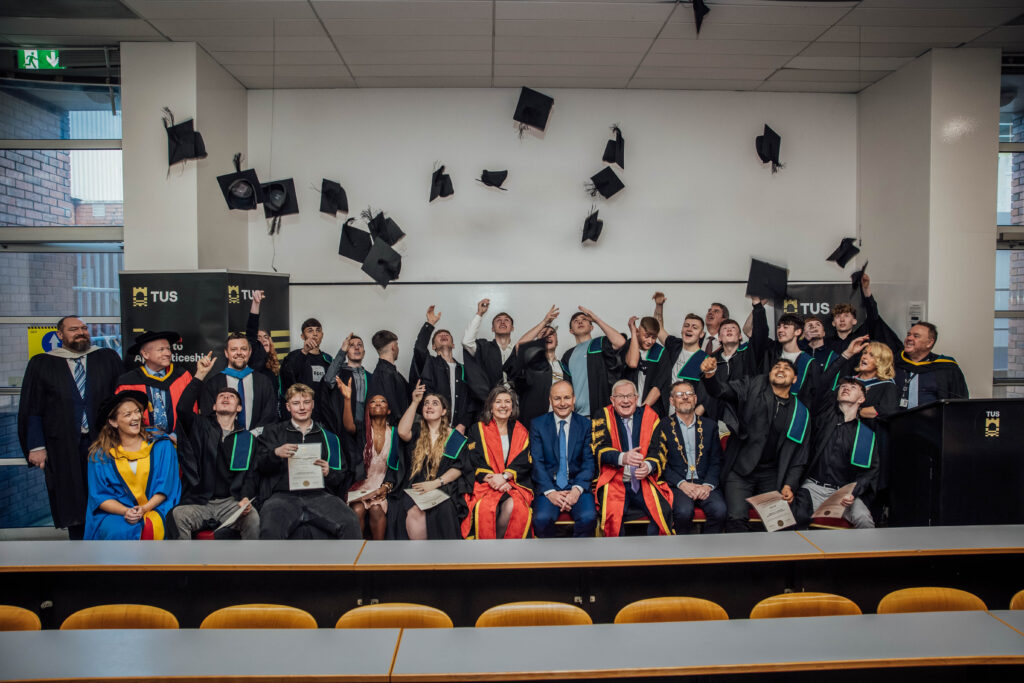
The ATA programme is a 12-week, Level 6 special-purpose award funded by the Higher Education Authority.
In 2025, 43 students took up places on the programme, with an 88% completion rate, and nearly three-quarters progressing directly into apprenticeships.
Since its launch in 2022, more than 150 young people have taken part in the ATA programme, with over 90 already progressing directly into apprenticeships.
The ATA programme has opened pathways into apprenticeships across areas including electrical, engineering and construction.
Speaking at the event, An Taoiseach Micheál Martin said:
“I want to commend TUS for the work it is doing through the ATA programme, creating real opportunities for young people to take that next step into skilled careers.“Programmes like this are vital in ensuring that those who may have faced barriers can access clear pathways into apprenticeships and employment. They are not only changing individual lives, but also helping to build the skilled workforce that our economy and society will depend on in the years ahead.”
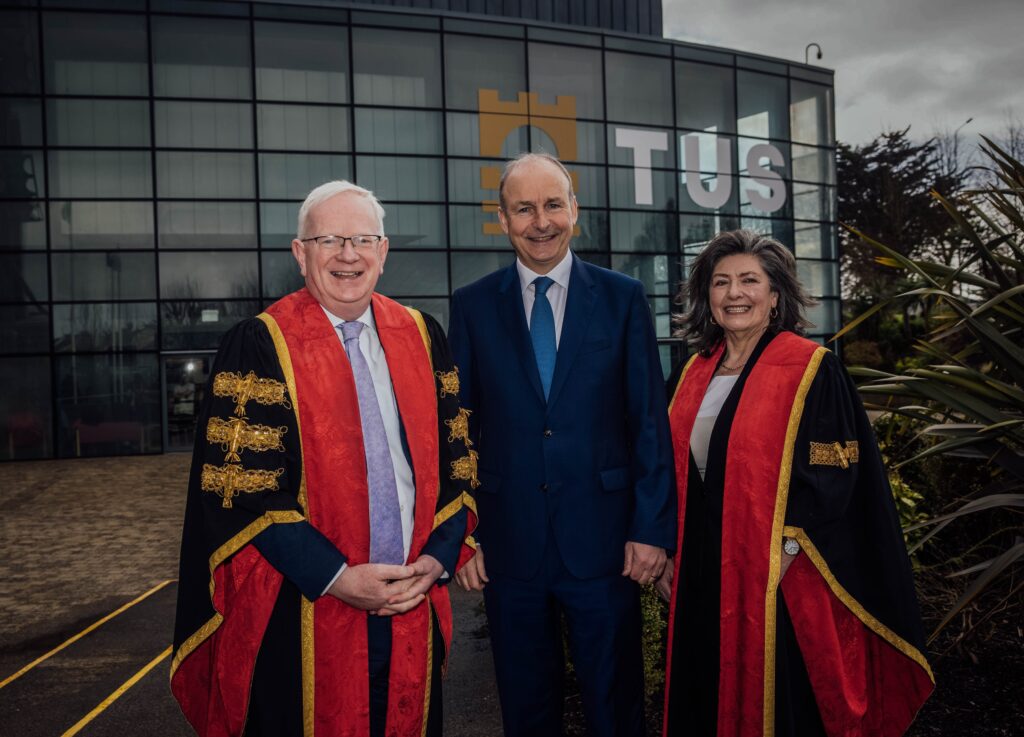
TUS President, Professor Vincent Cunnane, added:
“We are delighted to welcome An Taoiseach Micheál Martin to TUS for this important occasion, and I would like to thank him for joining us in recognising the achievements of these students. The Access to Apprenticeship programme reflects all that is good about TUS — opening doors, creating opportunities and unlocking the potential of our students.
“It is about ensuring that every student has the opportunity to progress and succeed, regardless of their starting point.
These students will go on to build strong careers, and they will also make a real contribution to society — helping to deliver the skills and expertise needed for the future.”
Taoiseach Martin also heard from Samantha Kiely, a community worker with the STEPS School Completion Programme in Limerick, who highlighted the impact of the initiative for young people, including those from regeneration areas.
“I see every day the barriers our young people face — not because they lack ability or talent, but because they lack access, connections and confidence,” she said.
“This programme opens doors that many didn’t even know existed. It gives young people, including those from regeneration communities, a clear, achievable pathway into apprenticeships — and the impact of that is felt not just by the individual, but across families and communities.”